Hi-Vis Clothing for Warehousing and Logistics: What Amazon, UPS & DHL Suppliers Get Right
The scale of hi-vis clothing procurement in the warehousing and logistics sector is staggering. A company like Amazon operates hundreds of fulfillment centers, each employing thousands of workers, many of whom are required to wear hi-vis clothing when working in areas with vehicle movement. The same is true for UPS, DHL, FedEx, CEVA, DB Schenker, and the dozens of third-party logistics providers operating at large scale.
The suppliers who win these contracts and and who maintain them over time — have figured out something that smaller buyers can learn from: hi-vis clothing programs at scale require systems thinking, not just good product. The garment is important, but so is the program around it: how garments are specified, tracked, replaced, washed, and managed across a large, distributed workforce.
This article draws on what the best logistics sector workwear programs do well, and translates those lessons for brand owners, distributors, and procurement managers who serve or aspire to serve this sector.!Screen printing on hi-vis workwear for large-scale logistics operations
What Makes Logistics Hi-Vis Different from Road Construction
Road construction hi-vis and warehousing/logistics hi-vis share the same compliance framework (ANSI/ISEA 107 or EN ISO 20471), but the use environment differs in ways that affect specification:
Indoor vs outdoor: Most warehouse operations are indoor or covered, meaning UV exposure of fluorescent colors is lower, but lighting conditions can vary dramatically. In a well-lit modern fulfillment center, the primary purpose of hi-vis is differentiation and identification, not conspicuity in low light. In a darker, older warehouse or an outdoor yard, traditional hi-vis performance matters more.
Vehicle type: Warehouse vehicles include forklifts (slower, narrow, maneuverability-focused), REACH trucks, conveyor systems, and in increasingly automated facilities, autonomous mobile robots (AMRs). The struck-by risk profile differs from road vehicles — lower speeds but higher frequency of interactions in confined spaces.
Volume and frequency of use: Warehouse workers typically wear hi-vis for full shifts, every day. The garment gets washed far more frequently than road construction hi-vis worn for occasional site visits.
Multiple tiers of requirement: Many large logistics operations have tiered hi-vis requirements:
The Garment Specifications That Work at Scale
**For Standard warehouse worker hi-vis vests:**
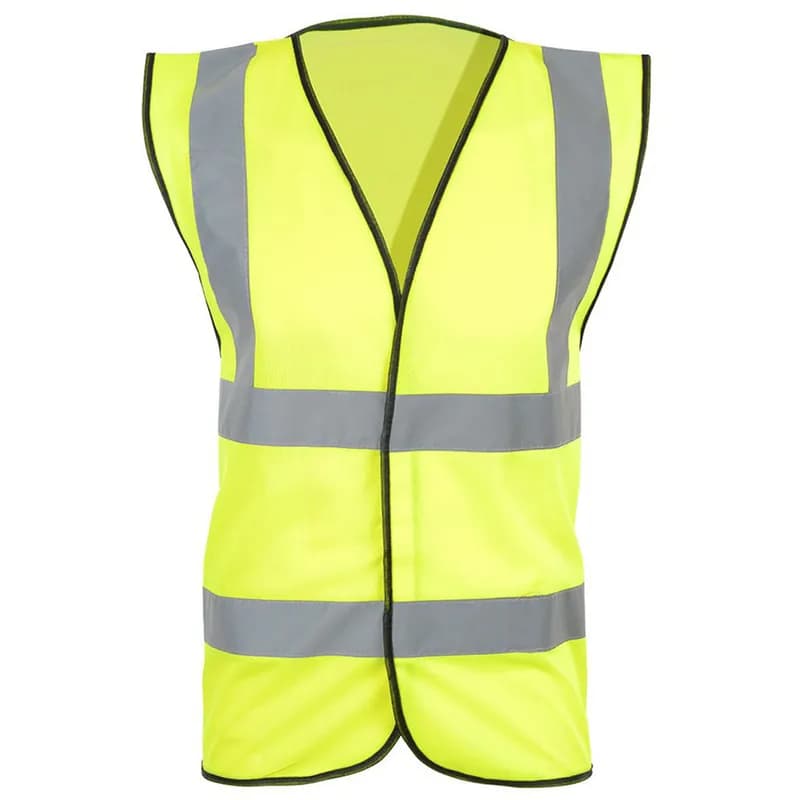
The most commonly specified garment in high-volume logistics operations is a Class 2 (or EN ISO 20471 Class 2) mesh or solid polyester vest in fluorescent yellow-green, with:
The vest must survive high-frequency washing. In large logistics operations, garments may be laundered through an industrial laundry 3-5 times per week during peak operations. Fabric that fades quickly or tape that lifts after 30 washes is a continuous procurement headache.
**For supervisors and management:**
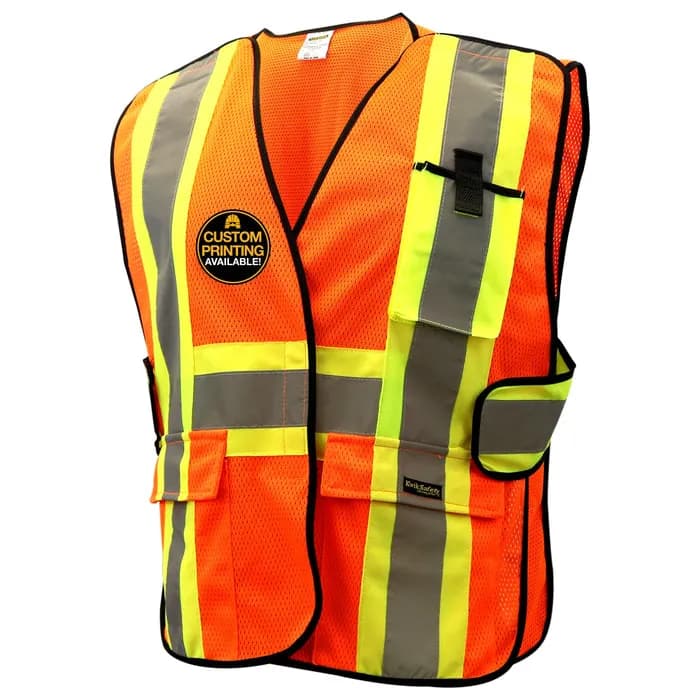
Hi-vis polo shirts or more structured hi-vis jackets are increasingly common for supervisors who need to project authority and professionalism while still meeting hi-vis site requirements. These are often in a differentiated color (orange instead of yellow, or with additional color coding) to allow easy identification.
**For visitor management:**
One-size-fits-most visitor vests in a visually distinctive format (often orange or a different yellow tOne from worker vests) are used for temporary site visitors. These are worn over street clothes and must accommodate a very wide size range. Hook-and-loop or simple snap front closures are Standard. Durability requirements are lower than for daily-wear garments, but they still need to meet Class 1 or Class 2 Standards for the areas visitors access.
What the Best Logistics Workwear Programs Have in Common
After looking at how the large-scale players approach this category, several patterns emerge:
They use simple, standardized specifications. Large logistics operators don't use 15 different vest types across their network. They standardize on 2-3 specifications that cover their compliance and identification needs, and they enforce that Standard across their entire operation. Standardization reduces procurement complexity, simplifies laundering, and makes replacement straightforward.
They build in branded identification. A worker at an Amazon fulfillment center wearing an Amazon-branded hi-vis vest serves dual purposes: safety compliance and corporate identity. The branded workwear reinforces professional identity, helps managers identify personnel at a glance, and reduces the "random vest" phenomenon (workers wearing whatever cheap vest they found or brought from a previous job).
They think about the full lifecycle. The best programs calculate total cost of ownership and not just purchase price but expected service life, replacement frequency, and laundering costs. A vest that costs USD 8 but needs replacing every 6 months has a higher annual cost than a USD 14 vest that lasts 18 months.
They have managed replacement programs. Rather than waiting for garments to become visibly damaged before replacement, leading programs have scheduled replacement cycles. Often annual for daily-wear garments — with inventory managed against employee counts. This prevents the slow degradation of garment fleet quality over time.
They consider the full workforce, not just average-sized workers. Large workforces inevitably include workers at size extremes. Programs that only stock S-2XL create problems for workers who need 3XL-5XL. Inclusive sizing is both a welfare issue and a compliance issue, a worker who can't get a vest in their size will either wear an ill-fitting vest (compliance risk) or not wear one at all (safety risk).
Branding and Identification Options
For workwear brands and manufacturers serving the logistics sector, understanding the branding requirements is important:
Corporate name and logo: Standard on all garments in branded programs. Screen printing on back panel is most efficient for large orders.
Employee identification: Some operations print employee IDs, names, or role designations on hi-vis garments. Variable data printing (each garment printed individually with different employee info) is possible with digital or screen printing in some configurations.
Site or department coding: Color coding by site, department, or function is used in some operations to allow rapid visual identification.
Contractor vs employee differentiation: Temporary workers, agency staff, and direct employees are sometimes differentiated through hi-vis vest styling or color.
All of these branding options add complexity to procurement but also add value — they make the hi-vis clothing program a management tool, not just a compliance exercise.
For detailed guidance on branding options and techniques for workwear, see our custom workwear branding tips and our embroidery vs screen printing guide.
The Role of Sustainability in Logistics Workwear
Large logistics operators increasingly face sustainability requirements from investors, customers, and regulators. This is beginning to affect workwear procurement:
Recycled polyester fabrics: Some manufacturers now offer hi-vis garments using recycled polyester (rPET) fabric. The compliance performance is comparable to virgin polyester. For buyers whose customers value sustainability claims, this is an available option.
Extended product life: Choosing more durable garments and running planned replacement programs reduces total material consumption compared to buying cheap garments that wear out quickly and are discarded.
End-of-life programs: Some manufacturers are developing garment take-back and recycling programs for workwear. This is early-stage but worth monitoring for brands positioning around sustainability.
Scaling Up: What Smaller Buyers Can Learn
For brands and distributors who want to serve the logistics sector but aren't yet at mega-scale:
Start with the standardization principle. Even if you're supplying a regional 3PL rather than Amazon, propose a standardized program with a simple specification set rather than responding to ad-hoc requests.
Build in lifecycle planning. Offer your logistics customers a managed replacement model — annual audits of their hi-vis fleet, pre-agreed replacement pricing, and size management support. This turns a transactional relationship into a managed service.
Take compliance documentation seriously. Large logistics operators have safety documentation requirements. If you can't provide ANSI/ISEA 107 or EN ISO 20471 test reports quickly, you'll lose to suppliers who can.
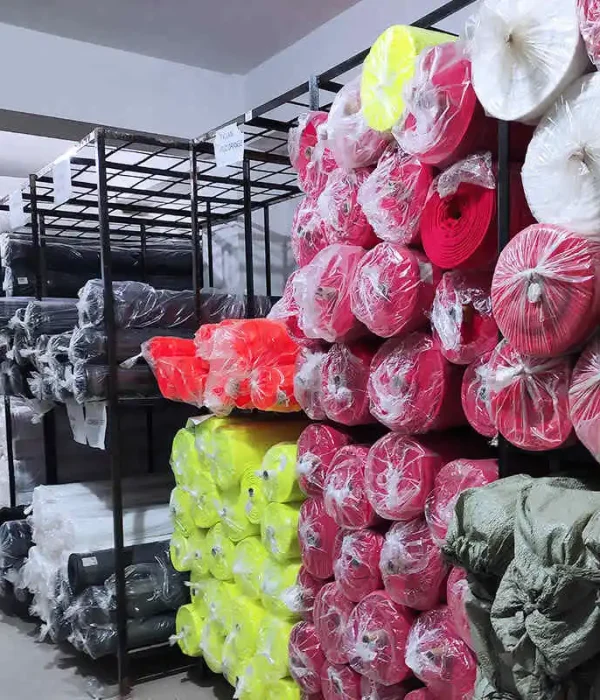
Offer branded programs proactively. Many mid-sized logistics operators use generic branded vests because they've never been offered a properly branded option at a reasonable price. A 200-piece branded program at a competitive price point is accessible for most distribution centers.!Safety workwear fabric selection for warehousing and logistics applications
**Supplying hi-vis clothing to warehousing and logistics operations?**
Mughal Apparel manufactures hi-vis clothing for logistics and warehousing applications at any scale, from 50-piece MOQ trials to large-volume branded programs. We provide screen printing, embroidery, and custom labeling for branded programs, with full ANSI/ISEA 107 and EN ISO 20471 compliance documentation. 24-hour response on all inquiries.
Contact our team to discuss your logistics sector workwear program or explore our safety clothing range.
About the Author
Mughal Apparel EditorialEditorial Team
The Mughal Apparel Editorial Team — production managers, designers, and account managers writing from direct factory experience.
Meet the full team →Tags:
Ready to Start Manufacturing?
Get a free quote from Mughal Apparel. MOQ 50 pieces. Response within 24 hours.
Get Free Quote