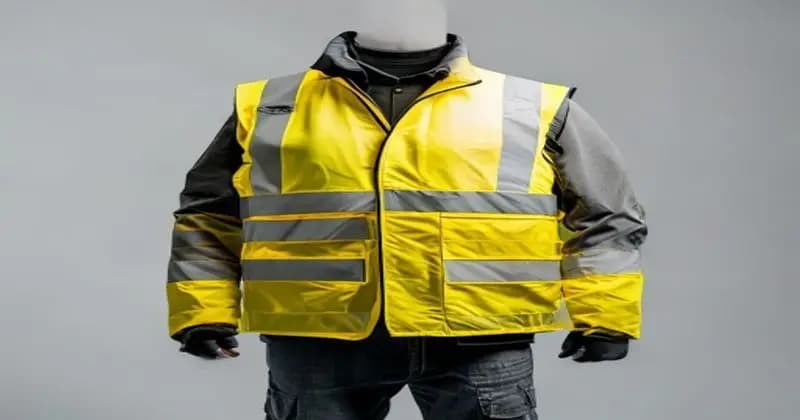
<p>This is one of those topics where most online articles get the basics right but miss the nuances that matter on the production floor. I've been making 7 ways to brand your company's safety workwear effectively since 2008. Here's what I'd tell a friend if they were starting a brand tomorrow.</p># 7 Ways to Brand Your Company's Safety Workwear Effectively
There's a persistent belief in the workwear market that safety garments are essentially commodities and that the compliance requirements leave no room for brand differentiation. After spending years in the B2B apparel space, I'd argue the opposite is true. The brands that invest thoughtfully in how their safety workwear looks and feels build teams that wear their gear consistently, attract better talent, and project a professionalism on the job site that generic hi-vis can never achieve.
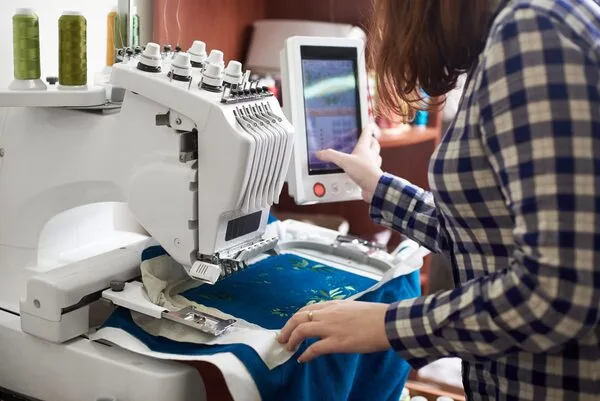
The challenge is doing it right. Safety workwear has real constraints — regulatory color requirements, tape placement rules, durability demands — and branding that ignores these constraints will either fail compliance or fall apart after a few washes. Here's how to get it right.!Embroidery machine applying brand logo to safety workwear
1. Understand What You Can and Can't Change
Before you brief a designer or manufacturer, understand the non-negotiables.
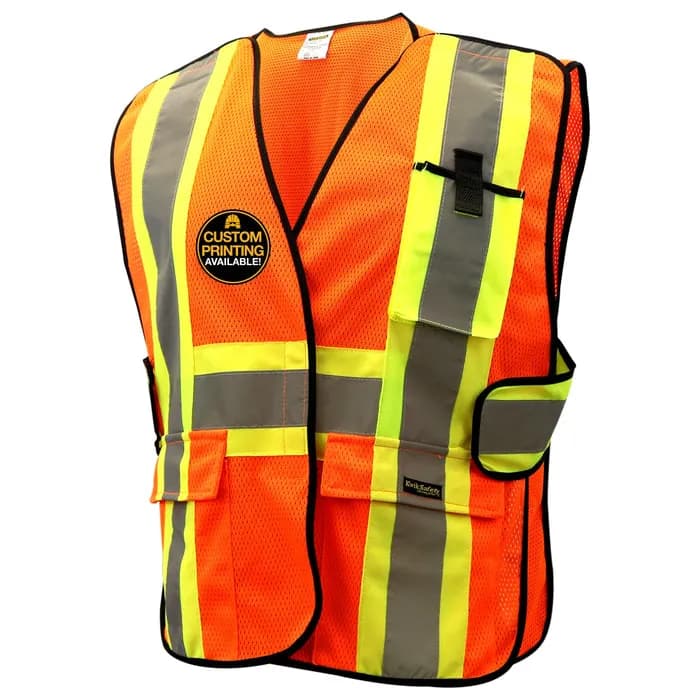
For ANSI/ISEA 107 Class 2 garments, the fluorescent background material must be a specific color range: yellow-green (meeting ANSI Standard spectrophotometric requirements) or orange-red. The retroreflective tape must meet minimum area requirements and be retroreflective — you can't replace it with a decorative stripe.
Within these constraints, you have more freedom than most buyers realize:
Work with a manufacturer who understands these boundaries. Designers who haven't worked in safety workwear often propose changes that would invalidate compliance.
2. Choose the Right Decoration Method for Each Application
Decoration method isn't just an aesthetic choice and it affects durability, cost, and how the garment ages over time. We compare these in detail in our embroidery vs screen printing for safety workwear guide, but here's the practical summary:
Embroidery is the most durable option for logos on solid fabric panels. It survives industrial washing, harsh environments, and rough treatment. The downside is that it's not suitable for full-color photographic designs or for very large logo areas. On hi-vis vests, embroidery works well on chest panels and left breast positions.
Screen printing is excellent for larger prints, flat designs with defined colors, and high-volume orders. On safety workwear, it's most commonly used on back panels (below the reflective tape) and on solid polyester areas. Water-based inks are preferred for wash durability.
Heat transfer and sublimation work well for complex multi-color designs but require specific fabric compositions. Sublimation only works on polyester (100% or very high percentage) and is not suitable for cotton-blend workwear. It's popular for name and number applications and for designs that need to cover large areas without the weight of embroidery.
Woven labels on garments are often overlooked as a branding element. A high-quality woven label on the neck, chest pocket, or hem elevates the perceived quality of the garment significantly. Get your labels made properly — don't use printed fabric labels that will fade.
3. Use Color Strategically Within the Compliance Framework
Regulatory requirements fix the color of the fluorescent background material, but they don't dictate everything. You have room to build a color story:
Some of the best-looking safety workwear lines use a restraint principle: the fluorescent yellow or orange is the dominant color, and the brand color appears as a controlled accent. This creates coherence across a workwear range without fighting the safety compliance requirements.
One thing to avoid: putting dark-colored elements on the torso area in a way that reduces the effective area of fluorescent background material below the Standard minimum. Some brands add heavy dark-colored pocket panels across the chest, inadvertently taking their vest below Class 2 minimums.
4. Standardize Your Size Spec and Fit
Branded workwear only does its job if it's actually worn, and workers won't wear garments that don't fit properly. This is especially true for hi-vis vests that need to be worn over winter jackets.
When developing a branded workwear range, invest in a proper fit block. Most manufacturers use a Standard generic fit, but if you're building a brand, you should specify:
Make sure your size range is genuinely inclusive — in most industrial workforces, you'll need sizes from S through at least 3XL, often 4XL or 5XL. A brand that runs out of size availability for larger workers undermines its own adoption.
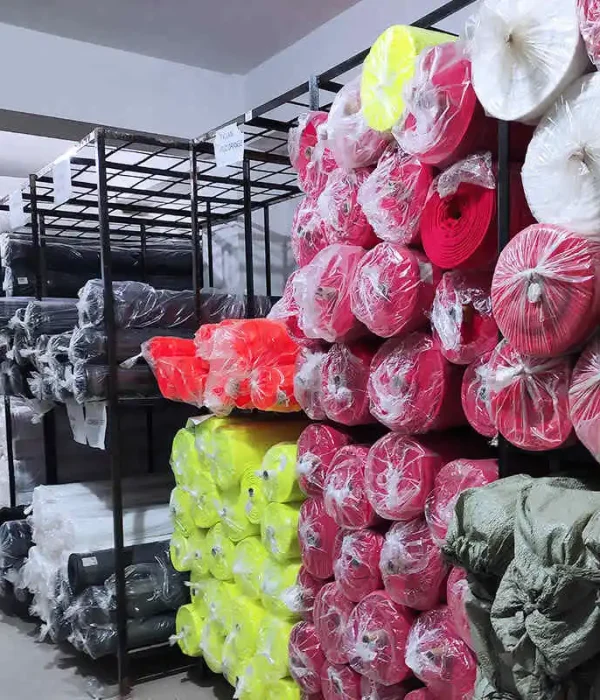
We cover size ratio planning in detail in our workwear sizing guide for bulk orders.!Safety workwear fabric selection and quality control
5. Design Your Labels and Packaging as Brand Touchpoints
In the workwear space, the unboxing experience is rarely considered. It should be. When a safety manager opens a box of new vests for their team, or when a distributor's customer receives their order, the packaging is a brand moment.
Consider:
Compliance labeling is mandatory (fiber content, country of origin, care instructions, Standard certification) but the way you present this information can be thoughtfully designed rather than an afterthought.
6. Build a Cohesive Range, Not a Collection of one-offs
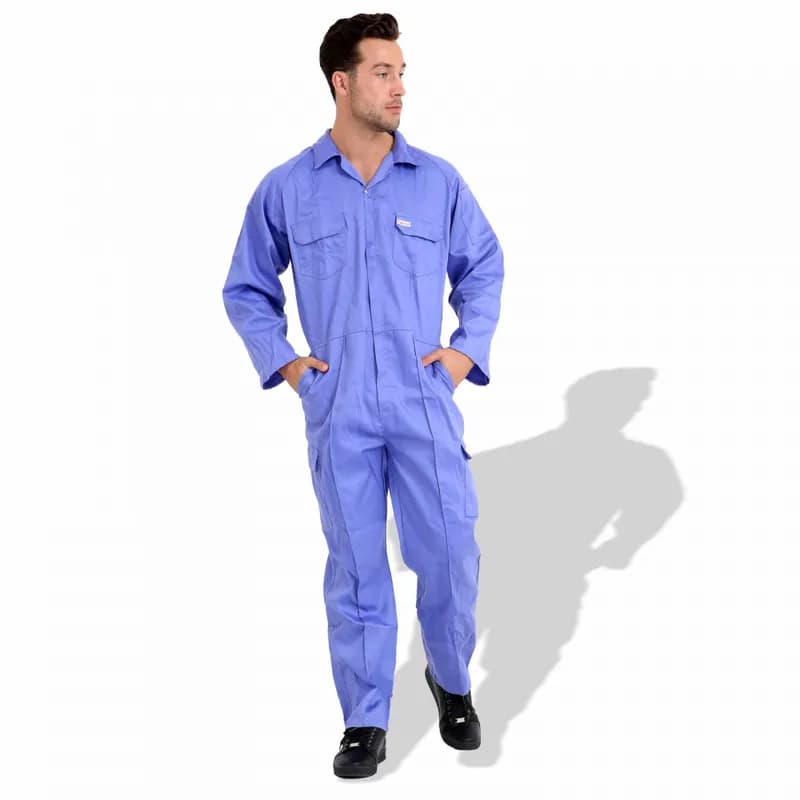
The strongest workwear brands treat their product line as a system. A worker in the field wearing a branded hi-vis vest, matching trousers, and a hi-vis polo shirt looks like part of a professional operation. A worker in a branded vest paired with generic trousers and an unrelated shirt doesn't.
When developing branded safety workwear, think about:
Building a range rather than individual pieces also gives you better leverage with your manufacturer on pricing, lead times, and development attention.
7. Protect Your Brand Through Spec Documentation
This one gets overlooked until something goes wrong. Once you've developed branded safety workwear that you're proud of, document it properly. A brand specification document should include:
This document protects you in two ways: it gives your manufacturer unambiguous production instructions, and it gives you clear grounds for rejection if production doesn't match spec.
Share this document with every factory you work with for this product. If you move production to a new manufacturer, they should be able to replicate your product exactly because your spec is documented.
**Ready to create branded safety workwear your team will actually wear?**
At Mughal Apparel, we work with brand owners, distributors, and corporate buyers to develop custom hi-vis and safety workwear from concept through production. We support embroidery, screen printing, sublimation, and custom labeling. All with compliance documentation for ANSI/ISEA 107 and EN ISO 20471. Our MOQ starts at 50 pieces, and we respond to every inquiry within 24 hours.
Contact us to discuss your branded workwear project or explore our safety clothing range.
About the Author
QC TeamQuality Control Department
Mughal Apparel's quality inspectors — AQL 2.5 trained, ISO 9001 certified, 8+ years average experience.
Meet the full team →Tags:
Ready to Start Manufacturing?
Get a free quote from Mughal Apparel. MOQ 50 pieces. Response within 24 hours.
Get Free Quote