The Ultimate Checklist for Launching a Safety Clothing Brand in 2025
Launching a safety clothing brand in 2025 requires getting compliance, manufacturing, branding, and go-to-market right from the start. This checklist covers every step you can't afford to miss.
<p>I'll be honest about this one. The ultimate checklist for launching a safety clothing brand in 2025 comes up in 70% of the conversations I've with new clients. So instead of writing another generic guide, I'm going to share what actually happens when a brand asks us this — using the answers I've been giving for 17 years.</p># The Ultimate Checklist for Launching a Safety Clothing Brand in 2025
Launching a safety clothing brand is not the same as launching a fashion brand or a general apparel line. The compliance requirements are specific and non-negotiable, the buyers are professional and demanding, and the cost of getting safety specifications wrong extends beyond commercial failure to genuine safety risk for end-users.
At the same time, it's not as complex as some buyers fear. Hundreds of new safety workwear brands launch successfully every year. The Ones that succeed follow a systematic process; the Ones that fail usually skip critical steps in a rush to get to market.
[ ] Confirm which Standards apply to each product in each target market
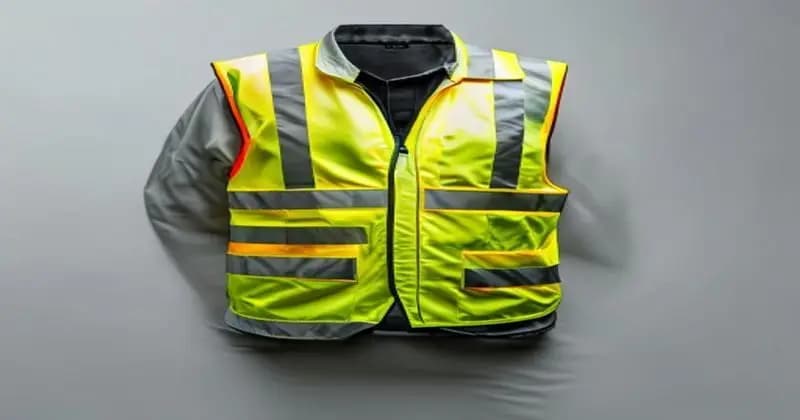
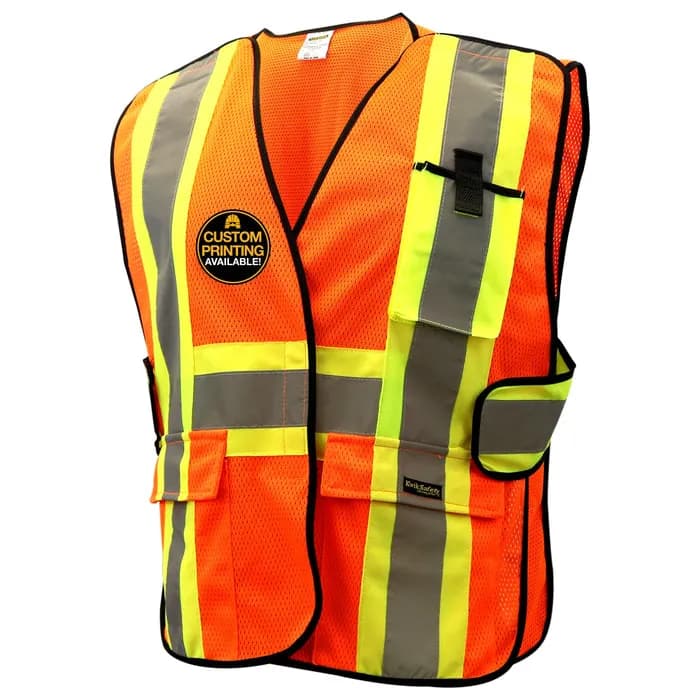
[ ] For US products: confirm ANSI/ISEA 107 class and type requirement (Class 1, 2, or 3; Type O, R, or P)
[ ] For European products: confirm EN ISO 20471 class requirement and CE marking requirements under EU PPE Regulation 2016/425
[ ] For FR products: confirm NFPA 2112 requirement; confirm if arc flash rating (ATPV) is also needed
[ ] Research any market-specific additional requirements (OSHA regulations, Australian state requirements, Gulf Cooperation Council Standards)
Testing and Certification Plan
[ ] Identify accredited testing laboratories for each Standard (Bureau Veritas, SGS, Intertek, TÜV Rheinland)
[ ] Budget for third-party testing (USD 400-800 per style for hi-vis; USD 800-2,000 for NFPA 2112)
[ ] For CE marking in EU: identify and engage a Notified Body for PPE assessment
[ ] Plan test timing — testing should be on pre-production samples, not proto samples
[ ] Build compliance documentation requirements into your purchase order template
Documentation Preparation
[ ] Create a compliance documentation folder structure (One folder per SKU)
[ ] Identify all required label content: fiber content, country of origin, care instructions, Standard certification statement, size
[ ] Prepare a compliance declaration template
[ ] Identify which documents your target customers will require (test reports, compliance declarations, REACH declarations, OEKO-TEX certifications if required)
[ ] Receive and inspect inventory (sample check against specification on arrival)
[ ] Set up inventory management system with size-level stock tracking
[ ] Prepare sales samples for customer presentations
[ ] Confirm all documentation is in order: commercial invoice, packing list, COO certificate, compliance declarations
Phase 7: Go-to-Market Execution
Customer Development
[ ] Build initial target customer list (distributors, end-users, or both depending on your model)
[ ] Develop sales pitch deck with product specifications, compliance documentation, and brand story
[ ] Schedule and conduct initial customer meetings
[ ] Convert initial customers to sample and trial orders
[ ] Request reference letters or case studies from early customers for use in future sales
Marketing Activation
[ ] Produce product photography (professional images of garments on models, plus flat lay and detail shots)
[ ] Develop product data sheets (PDF, printable format with full technical specifications)
[ ] Publish blog content establishing authority (compliance guides, sourcing guides, industry insights)
[ ] Build distributor presentation materials
Review and Iterate
[ ] After 90 days of first sales: review what's working and what isn't
[ ] Gather feedback on product performance, fit, and compliance from early customers
[ ] Document what to improve in next production run
[ ] Plan reorder timing based on stock velocity and lead time
The Common Mistakes That Derail Brand Launches
Looking at brands that launch with problems, these failure patterns repeat:
Going to market without test reports in hand. Don't start selling until your compliance documentation is complete. The first serious distributor or end-user who asks for test reports will expose you immediately if you don't have them.
Underestimating lead times. From design brief to first delivery for a new safety workwear brand typically runs 16-24 weeks. Building a brand launch around a 6-week timeline is setting up for stress and potential quality compromise.
Launching with too many SKUs. Three well-specified, fully tested, properly branded products will build a stronger foundation than 15 products that are rushed to market. Focus your initial investment.
Not budgeting for samples and testing. Third-party testing, sample development costs, and label setup fees add up. Budget USD 5,000-15,000 for development and testing costs before production even starts.
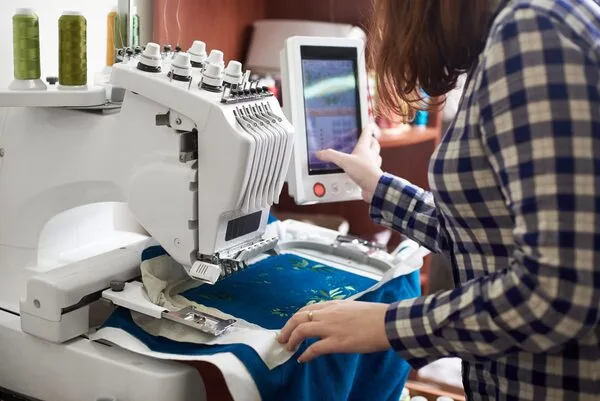
Neglecting the branding on the garment. A beautifully compliant safety vest with a blurry, badly placed logo undermines your brand positioning at the moment of first impression. Invest in proper artwork and specify branding quality carefully.
Mughal Apparel has helped numerous brands take their safety clothing concepts from specification through first delivery. We support the full journey: product development, compliance documentation, sample production, branding, and bulk manufacturing. Our MOQ starts at just 50 pieces, making first-run inventory practical for brand launches. We respond to every inquiry within 24 hours.
How long does checklist for launching safety clothing brand in 2025 production take?+
Expect 10–12 business days for a pre-production sample and 12–20 days for bulk after approval. We ship DDP door-to-door to the USA, UK, EU, Canada, Australia and the UAE with export documents prepared in-house.
Can checklist for launching safety clothing brand in 2025 be produced as private label or OEM?+
Yes — Mughal Apparel is an OEM/private-label manufacturer. We produce checklist for launching safety clothing brand in 2025 to your tech-pack specifications with your woven labels, hangtags and packaging, decorated via embroidery, screen print, dye-sublimation or DTG.
Why source checklist for launching safety clothing brand in 2025 from Pakistan?+
Pakistan-origin apparel enters the EU at 0% import duty under GSP+ (≈12% landed-cost advantage), avoids the US Section 301 surcharge, and benefits from domestic cotton/leather and Sialkot's specialist cluster.
What certifications back the manufacturing?+
Production runs through 4-stage AQL 2.5 inspection in a WRAP, BSCI, Sedex SMETA, OEKO-TEX Standard 100 and ISO 9001:2015 certified facility in Sialkot, Pakistan.
How do I get a quote for checklist for launching safety clothing brand in 2025?+
Send a tech pack, reference photos or a brief to info@mughalapparel.com or WhatsApp +92 336 755 3352 with your target quantity, sizes, decoration and destination — you'll get a detailed quote within 24 hours.