
Leather Jacket Manufacturer in Sialkot, Pakistan
Leather jacket manufacturer in Sialkot, Pakistan — biker, varsity, motorcycle, fashion leather. MOQ 50, full-grain cowhide and sheepskin, OEKO-TEX, GSP+ 0% EU duty, DDP shipping.
Mughal Apparel is a B2B custom leather jacket manufacturer in Daska, Sialkot District, Pakistan — one of the world's major leather-apparel manufacturing belts. We produce biker and motorcycle leathers, varsity letterman jackets, fashion leather, café racer styles, women's leather, equestrian leather and licensed-collab leather pieces for fashion brands, motorcycle outfitters and apparel retailers in 35+ countries. Why Sialkot for leather jackets specifically: Pakistan is a major global producer of leather and leather goods, with Sialkot and adjacent districts hosting the country's densest concentration of tanneries, leather-cutting specialists and leather-sewing operators. Full-grain cowhide and sheepskin are sourced domestically — Pakistan has substantial cattle, buffalo and goat herds — eliminating the import-fabric lag that competing leather origins (Vietnam, Turkey, China) face. The same craft labour pool that built Sialkot's sports-equipment and surgical-instrument industries delivers precise hand-cutting, double-needle stitching and reinforced stress-point construction on leather garments. Mughal Apparel leather capabilities: MOQ 50 pieces per style and colour (60 for full-grain cowhide biker jackets, 100 for highly custom sheepskin shearlings). Sample 12–14 days. Bulk 16–18 days. Hides sourced through audited Pakistani tanneries (we can supply LWG-grade tanning certificates for sustainability-focused buyers). Decoration in-house: embossing, embroidery, chenille patches, screen-printed prints. WRAP, BSCI, OEKO-TEX Standard 100 certified production. GSP+ 0% EU import duty; DDP shipping to USA, UK, EU, Australia and Canada.
Published by Mughal Apparel · Last updated
Key Capabilities
- Located in Sialkot — Pakistan's leather-apparel cluster
- MOQ 50 pieces per style per colour (60 for premium cowhide biker)
- 12–14 day sample lead time on leather jackets
- 16–18 day bulk production
- Full-grain cowhide, lambskin, sheepskin (with wool or smooth), goatskin
- Domestically sourced hides — no fabric-import lag
- In-house tanning audits — LWG-grade certification available on request
- Double-needle reinforced stitching at high-stress points
- YKK Japan zippers and premium hardware (snap, buckle, D-ring options)
- OEKO-TEX Standard 100 certified leather lining
- GSP+ Form A on every EU shipment — 0% import duty
- DDP door-to-door shipping to USA, UK, EU, Australia, Canada
- Chenille patches, embroidery, embossing, debossing — all in-house
Pakistan's leather supply chain and why it lowers cost
Pakistan is one of the world's largest producers of leather and leather goods — a position built on substantial domestic livestock herds (cattle, buffalo, goats, sheep) and a well-established tanning industry concentrated in Sialkot, Sahiwal and Karachi. Strategic advantages for B2B leather-apparel buyers: • No fabric-import lag — vegetable-tanned and chrome-tanned hides are available domestically; we don't wait 30-45 days for imports like competing leather origins (Vietnam, Turkey) often do. • Lower hide cost — domestic supply avoids import duties, freight and currency-exchange premiums that other apparel-leather origins pay. • LWG audit pathway — Leather Working Group certified tanneries operate in Pakistan; we can route orders through LWG-audited supply for sustainability-conscious buyers. • Specialist labour — generations of Sialkot leather workers (originally for sports equipment, surgical instrument handles, and motorcycle gear) deliver precise cutting and double-needle reinforcement at depths most apparel-only origins cannot match.
Leather jacket categories and typical construction details
Common B2B leather-jacket categories we produce: • Single-rider biker — front zip closure, two front pockets, fixed collar. 1.2-1.4 mm full-grain cowhide. The everyday-wear biker icon. • Double-rider biker — diagonal asymmetric zip, snap-down lapels, belted waist, multiple pockets. 1.2-1.6 mm cowhide. The Schott-style classic. • Café racer — minimalist design, band collar, centre-front zip, no external pockets or minimal pockets. 1.0-1.2 mm lambskin or cowhide. • Varsity letterman — wool body, full-grain leather sleeves, snap-front closure, rib-knit cuffs and hem. Chenille patches and embroidery available. • Bomber leather — A-2 / G-1 inspired flight-jacket styles, ribbed cuffs and hem, snap pockets. 1.0-1.4 mm cowhide. • Women's fashion leather — fitted blazer, moto-inspired, cropped, drape-collar. Lambskin or top-grain cowhide. • Shearling lined — sheepskin with wool-side-in for warmth. Heaviest construction in our range. • Motorcycle racing leather — full body suits, CE-rated armour pockets, perforated panels for ventilation. Industrial-grade construction.
Leather jacket production workflow at Mughal Apparel
Typical workflow for a custom leather jacket order: • Step 1 — tech pack and hide selection: client provides design + leather type preference. We source matching hides from approved tanneries and supply small leather swatches for tactile and colour approval before sampling. • Step 2 — pattern grading: full-size grading XS through 3XL, optimised for hide-usage efficiency (leather has natural shape constraints unlike fabric rolls). • Step 3 — sample: a fully constructed jacket in the approved hide with full hardware. Shipped DHL/FedEx for buyer in-hand inspection and fit approval. • Step 4 — bulk cutting: hand-cutting (typical for full-grain cowhide where each hide is unique) or die-cutting (for high-volume identical pieces). • Step 5 — sewing: industrial leather-sewing machines (heavy-duty Pfaff, Juki). Double-needle stitching at high-stress points (collar, cuffs, hem, shoulder seams). • Step 6 — hardware assembly: YKK zippers, snaps, buckles, D-rings installed. • Step 7 — decoration: embossing, embroidery, chenille patches, screen print, debossing — applied to specified panels. • Step 8 — finishing: leather conditioning, edge trimming, interior labelling. • Step 9 — 4-stage AQL 2.5 QC. Each jacket inspected for stitching consistency, hide quality, hardware function and overall finish. • Step 10 — packing: tissue-wrapped (premium) or polybag-packed (volume) into master cartons.
GSP+ and DDP shipping economics for leather to the EU
Pakistan-origin leather apparel qualifies for GSP+ preferential rates into the EU, with significant cost advantage for European buyers: • EU MFN tariff for leather apparel — varies by HTS code, typically 4-9% depending on category. • Pakistan-origin via GSP+ — 0% import duty into all 27 EU member states. • Mughal Apparel issues Form A — the certificate of origin proving GSP+ qualification — with every EU-bound container at no extra cost. • DDP routing — sea from Karachi to Felixstowe 26 days, Rotterdam 25 days, Hamburg 27 days, Le Havre 28 days. Air freight via Lahore International (3-7 days) for urgent samples or trade-show bulk. • US tariff — standard MFN, no Section 301 surcharge (unlike China-origin goods which face 7.5-25% additional surcharges on most leather apparel HTS codes).
Choosing the hide: grain, tannage and finish compared
The hide decides how a jacket looks on day one, how it ages and a large part of what it costs. Three choices matter: which layer of the hide is used, how it was tanned, and how the surface is finished. Settle all three before sampling. Grain layer: • Full-grain keeps the natural surface with its pores and small marks. It is the strongest option and develops a patina with wear. Natural marks must be accepted or cut around, so more hide is used per jacket. • Top-grain has the surface lightly buffed and refinished. It looks more even and hides small scars, but breathes a little less and does not age as richly. • Corrected grain carries an embossed, heavily coated surface. It is very consistent and easy to wipe clean, but feels stiffer and looks less natural. • Split leather comes from the lower layer of the hide. It is used for suede or coated finishes and costs less, but tear strength is lower, so it suits fashion pieces rather than riding jackets. Tannage: • Chrome tanning is the normal choice for garment leather. It gives a soft, supple hide with stable colour and good resistance to water spotting. • Vegetable tanning uses plant tannins. The leather is firmer, heavier and darkens with light and handling. It is rarely used for a whole jacket but works well for trims, patches and labels. • Chrome-free and combination tannages can be requested by brands that want to avoid chromium. Handfeel and colour range differ from chrome-tanned leather, so approve a swatch first. Surface finish: • Aniline: dyed through with no pigment layer. The most natural look and softest feel, but it marks and stains easily. • Semi-aniline: a light pigment coat. A balance between natural look and stain resistance. • Pigmented: a full colour coat. The most uniform and hard-wearing, with the least natural feel. • Waxed, oiled, pull-up and distressed finishes give a vintage look and lighten where the leather bends. Typical garment thickness runs from about 0.7–0.9 mm for soft lambskin fashion jackets to 1.2–1.4 mm for heavy cowhide. Write the thickness range you want in the tech pack. Thickness changes weight, drape and cost more than most buyers expect.
Linings, insulation, zips and hardware: what to specify
The parts inside and on top of the leather decide comfort, weight and how well a jacket survives daily use. Each has trade-offs worth settling before the first sample. Linings: • Polyester taffeta or twill: durable, lower cost and slides easily over other clothes. Less breathable. • Viscose-type linings: smoother and more breathable with a premium feel, but they crease and wear faster at the cuffs. • Cotton or cotton blends: soft and breathable for casual cuts, but they grip knitwear and add bulk. • Quilted linings with polyester wadding: add warmth for winter styles. State the wadding weight in grams per square metre. • Zip-out or button-out liners: one jacket works across seasons, at the cost of extra parts and labour. Zips and closures: • Metal zips suit heavy leather and give a classic look. Specify a larger tooth gauge for the front closure and a smaller one for pockets and cuffs, plus the finish, such as nickel, antique brass, gunmetal or black. • Moulded plastic zips are lighter and do not tarnish, which suits lightweight fashion pieces. • Branded zips are available on request. Name the requirement in the tech pack so it is costed correctly. • Snaps, buckles, D-rings and rivets should be specified by size and finish. Ask for nickel-free or low-nickel metal where hardware touches skin, because EU rules limit nickel release from items in prolonged skin contact. Reinforcement and padding: • Riding-style jackets can carry internal pockets for shoulder, elbow and back protectors. If your brand sells the jacket as protective equipment, the protectors and the garment must meet the relevant standard in your market. Tell us at the quote stage. • Leather or fabric facings at pocket mouths, zip ends and cuffs reduce stretching and tearing. Write down the small details too: pocket count and position, inner phone or document pockets, cuff closure, collar style, waist adjusters, and side zips or gussets at the hem. A detail left out at the sampling stage is a common reason a second sample is needed.
What to send for a quote, and the checks on every order
A complete brief gets a usable quote quickly and avoids a second sample round. Send the following to info@mughalapparel.com or on WhatsApp to +92 336 755 3352. We reply within 24 hours. • Design: a tech pack, a sketch, or clear photos of a reference jacket showing the front, back and inside. • Hide: animal (cowhide, lambskin, goatskin or sheepskin), grain type, finish and thickness range. • Colour: colour codes or a physical swatch. Leather is dyed in batches, so a small shade range between hides is normal. Agree the tolerance in writing. • Size range and a measurement chart, or a jacket whose fit you like. • Lining, insulation, zip and hardware details, including the metal finish. • Branding: embossed, debossed, embroidered or printed logos, plus label and hang tag artwork. • Quantity per style and colour. The minimum is 50 pieces per style and colour. • Destination country and target delivery date. A sample takes 12–14 days. Bulk production takes 16–18 days after sample approval. Shipping time is separate and depends on the freight mode and destination. Every leather jacket order passes four quality control stages: • Incoming materials: hides are checked for thickness, colour against the approved swatch, grain defects and even dyeing. Linings, zips and hardware are checked against the approved specification. • Cutting: panels are laid out so scars, veins and loose grain stay off visible areas such as the front panels and upper back. Panels for one jacket are cut from the same hide or closely matched hides to keep the shade even. • In-line sewing: stitch length, seam allowance and stitch lines are checked as work progresses, because a needle hole in leather cannot be removed once made. Zip insertion and pocket placement are compared with the approved sample. • Final inspection: finished jackets are measured against the size chart, zips and snaps are worked, and the surface is checked for marks, glue traces and colour rub-off. Final inspection uses AQL 2.5, and a pre-shipment inspection follows before cartons are sealed.
What drives the cost of a leather jacket
Leather jacket pricing depends more on material and construction choices than on anything else. Knowing which choices move the cost helps you design to a target price without losing what matters to your customer. Choices that raise cost: • Full-grain aniline leather. It needs the cleanest hides because marks cannot be hidden, so more leather is lost in cutting. • Thicker hides. The jacket is heavier and heavy leather is slower to sew. • Many small panels, quilting, or stitched padding at shoulders and elbows. Each extra panel adds cutting, skiving and sewing time, and leaves more waste between pieces. • Sheepskin shearling, which is costly per square foot and needs specialist seams. • Several zips, belts, buckles and custom-cast hardware carrying your logo. • Quilted or removable linings and protector pockets. • Many colours in small runs, since each colour must meet the 50-piece minimum and is matched separately. • Premium packing such as individual garment bags, boxes and tissue wrap. Choices that lower cost: • Top-grain or semi-aniline leather, which lets more of each hide be used. • Fewer, larger panels and a clean silhouette such as a café racer. • Stock hardware in standard finishes instead of custom-cast parts. • One lining fabric across the whole range. • Several styles in the same leather and colour, so hides are bought and cut more efficiently. • Larger quantities per style and colour, which spread pattern work and setup over more pieces. Freight mode also changes landed cost. Leather jackets are heavy and bulky, so sea freight costs far less per piece than air, but takes longer. Qualifying goods enter the EU at 0% duty under GSP+ and the UK at 0% under DCTS. For the USA, Canada and Australia, duty depends on the HS classification; we provide the HS code and shipping documents so your broker can confirm the rate before you order. When you ask for a quote, request two options, for example the same design in full-grain and in top-grain. Comparing them side by side is the quickest way to find the right balance of look and price.
Our Range
Sample leather jackets from our Sialkot facility
Browse our extensive leather jacket manufacturer in sialkot, pakistan catalog. Every style is fully customizable with your branding, fabrics, and colors. MOQ 50 pieces per design.

Custom Men Leather Jackets
View
Motorbike Leather Jackets
View
Leather Belts
View
Horse Riding Gloves
View
Men's Black Leather Button Closure Blazer Car Coat Fashion Jacket
View
Men's Classic Black P Pete Motorcycle Biker Riders Leather Vest
View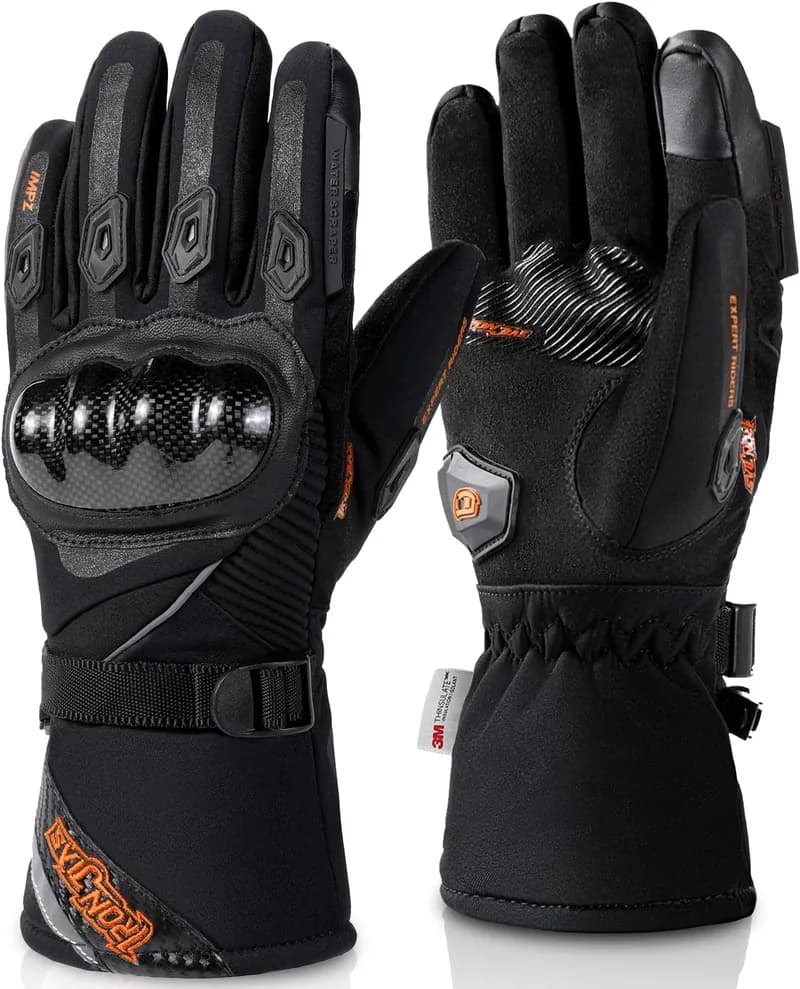
Motorbike Gloves
View
Working Gloves
View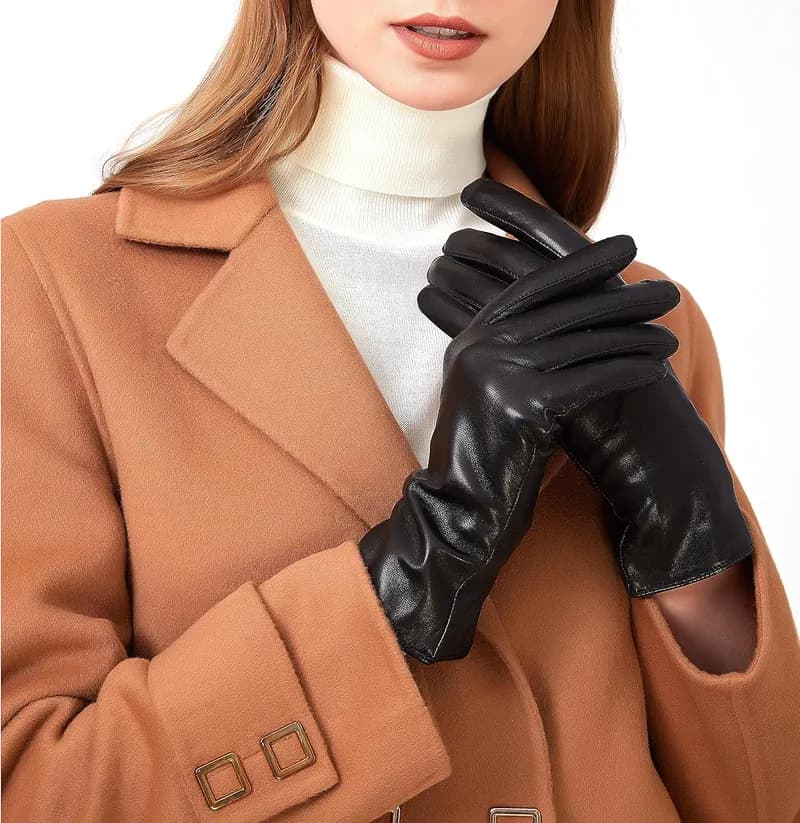
Fashion Leather Gloves
View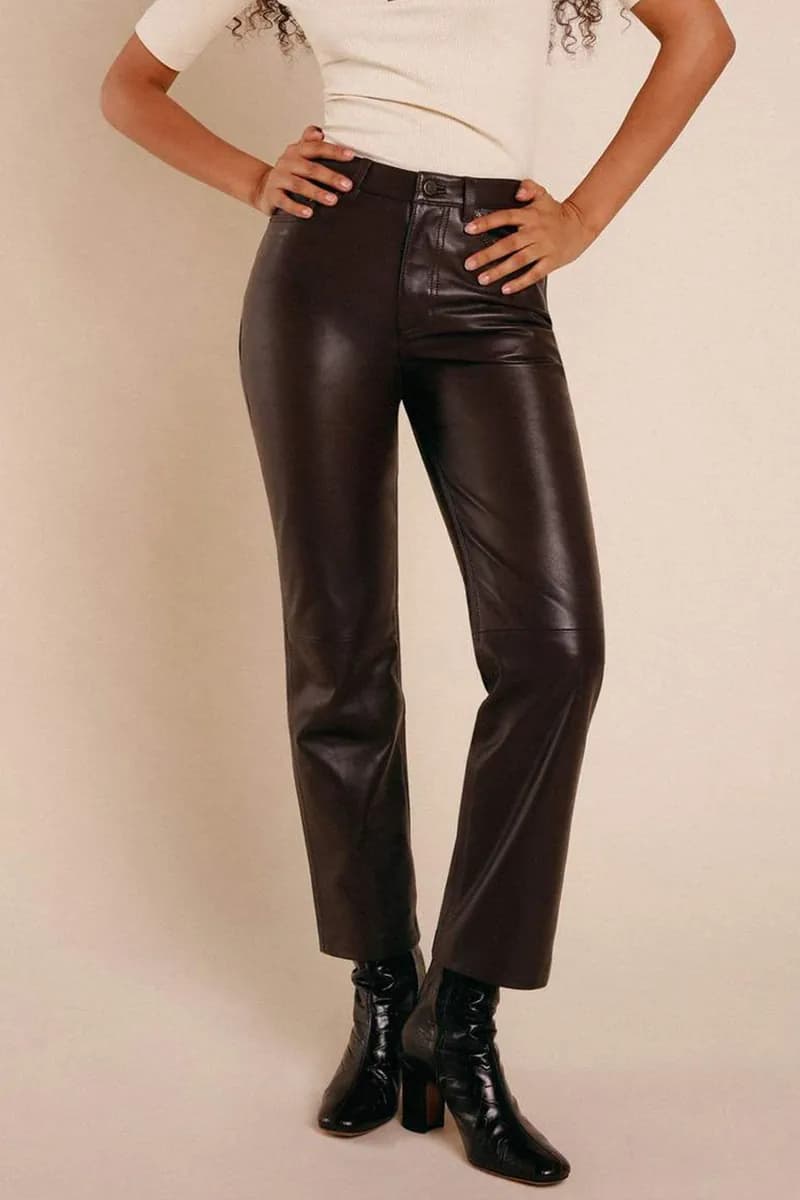
Leather Pants
View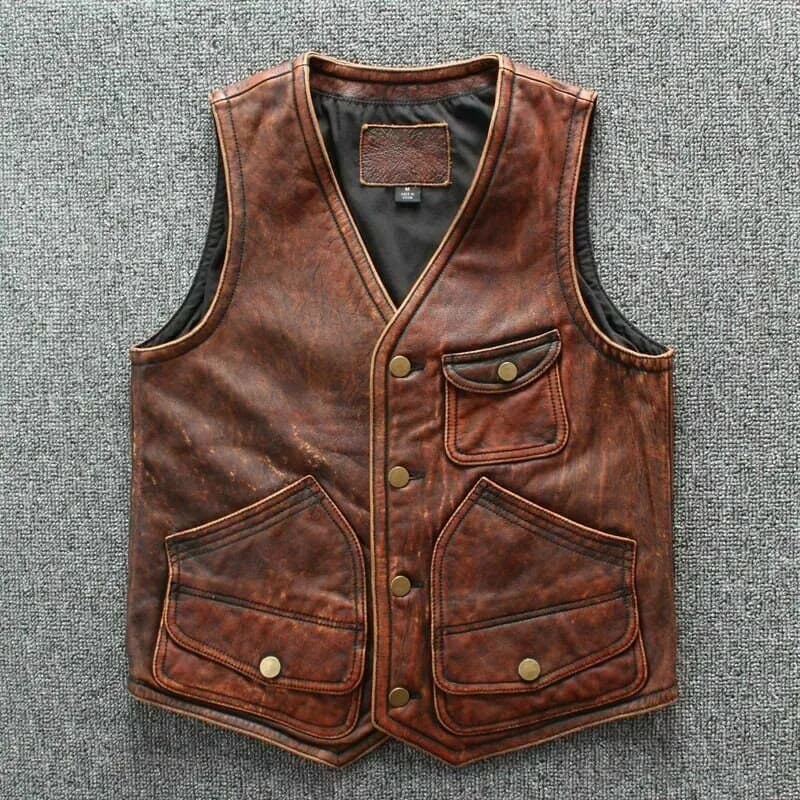
Leather Vests
View
Motorbike Leather Suits
View
137W
View
Men's Black Leather Button Closure Blazer Car Coat Fashion Jacket
View
188
View
210VW
View
141
View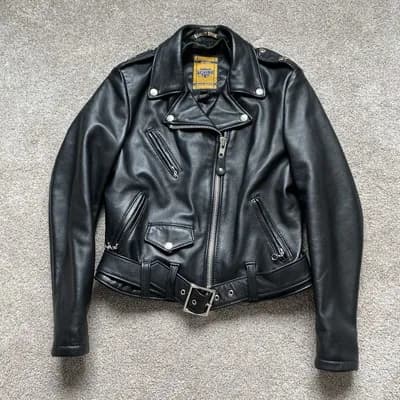
218W
View
2125W
View
2413SW
View
2415SW
View
247SW
View
2527W
View
257S
ViewFrequently Asked Questions
What types of leather jackets does Mughal Apparel manufacture?
Biker and motorcycle jackets (single rider, double rider, café racer, racing fit), varsity letterman jackets (leather sleeves + wool body), fashion leather (women's and men's), bomber leather, blazer-style leather, leather waistcoats and vests, leather chaps for motorcycle riders, and leather equestrian show jackets.
What types of leather do you offer?
Full-grain cowhide (most durable, for biker and heavyweight jackets), top-grain cowhide (smooth finish, fashion leather), lambskin (soft, drapes well, fashion and women's), sheepskin shearling (lined naturally with wool), goatskin (lightweight, supple), and faux/vegan leather (PU-laminated cotton or PU-coated polyester) on request.
What is the minimum order for leather jackets?
MOQ 50 pieces per style and colour for standard cuts. Premium full-grain cowhide biker jackets require MOQ 60 due to hide consumption. Highly custom sheepskin shearlings start at 100. Multi-colour orders count colours separately (e.g., 50 black + 50 brown = 100 total).
How long does a leather jacket sample take?
12–14 days from approved tech pack and hide approval.
How long is bulk production?
16–18 days for standard biker, varsity and fashion leather. Lead time scales with hide availability and decoration complexity.
Where do you source your leather hides?
Domestically through audited Pakistani tanneries in the Sialkot-Sahiwal-Karachi belt. Pakistan has substantial cattle, buffalo, goat and sheep herds — meat-industry by-product leather is locally available without import lag. We can supply Leather Working Group (LWG) tanning certificates for buyers prioritising responsible sourcing.
Do you offer vegan / faux leather?
Yes — PU-laminated cotton (heavyweight) and PU-coated polyester (lighter) on request. Vegan leather is best suited to fashion-led brands targeting plant-based or sustainability-focused consumers. MOQ same as real leather (50 pieces).
What hardware do you use on leather jackets?
YKK Japan zippers standard. Snap closures, buckles, D-rings, conchos and rivets sourced from Pakistani trim suppliers (Korea/Japan upgrades available on request). All hardware nickel-tested for skin contact safety per OEKO-TEX Standard 100.
Can you add embossed or embroidered branding on leather?
Yes. We do hot-foil embossing (gold, silver, copper), debossing, leather-stamped logos, Tajima embroidery (suitable for softer leathers), chenille patches sewn on, woven label inserts and screen-printed graphics on smooth-surface leathers.
Do leather jackets ship DDP to the USA, UK and EU?
Yes. Mughal Apparel ships DDP door-to-door to the USA, UK, all EU member states, Australia and Canada. We handle CITES paperwork where required (for exotic-skin orders), commercial invoice, packing list, B/L, certificate of origin and GSP+ Form A for EU shipments (0% duty).
How do I get a leather jacket quote?
Send your tech pack, reference jacket photos or design sketch to info@mughalapparel.com or WhatsApp +92 336 755 3352. Include leather type and grade preference, hardware preferences, target quantity per style and colour, target destination market and delivery date. We respond within 24 hours.
What is the difference between full-grain and top-grain leather for a jacket?
Full-grain leather keeps the natural outer surface of the hide, so it is stronger, breathes better and develops a patina over time. Top-grain has that surface lightly buffed and refinished, which gives a more even look and hides small scars. Full-grain costs more because marks cannot be hidden and more hide is lost in cutting. Top-grain is a sensible choice for fashion jackets that need a clean, uniform surface.
How thick should the leather be for a biker jacket?
Most biker jackets use cowhide of about 1.2 to 1.4 mm. That range gives good abrasion resistance while staying wearable off the bike. Fashion biker styles in lambskin or goatskin often use 0.8 to 1.0 mm for a softer drape. Thicker leather adds weight, stiffness and cost, so state the range you want in your tech pack and approve it on a swatch before sampling.
Will every jacket in my order be exactly the same colour?
Not exactly, because each hide takes dye slightly differently, but the variation can be kept small. Panels for one jacket are cut from the same hide or closely matched hides, so each jacket is even in itself. Across the order, hides are checked against the approved swatch at the incoming-materials stage. Agree an acceptable shade tolerance in writing before bulk, especially for pale colours and aniline finishes.
Can you make leather jackets with pockets for protectors?
Yes, riding-style jackets can be built with internal pockets at the shoulders, elbows and back to hold protectors. If you market the jacket as protective motorcycle clothing, the protectors and the complete garment must meet the protective-clothing standard that applies in your market, and you will need test reports from an approved lab. Mention this at the quote stage so the construction and materials suit testing.
What care label should a leather jacket carry?
A leather jacket should state the outer material, the lining material and care advice such as: do not wash, do not tumble dry, do not iron the leather, specialist leather clean only, and keep away from direct heat. It should also show the country of origin, Made in Pakistan. Send your label artwork and we sew it in, or we can produce labels to your wording and layout.
What import duty applies to leather jackets made in Pakistan?
Qualifying leather jackets from Pakistan enter the EU at 0% duty under GSP+ and the UK at 0% under DCTS, provided the correct proof of origin travels with the goods. For the USA, Canada and Australia, the rate depends on the HS classification of the specific jacket. We provide the HS code, commercial invoice, packing list and origin documents so your customs broker can confirm the rate.
How many leather jackets can you produce in a month?
Our total monthly capacity is 5,000 to 20,000 pieces, shared across all product categories made in our Daska factory. How much of that goes to leather jackets depends on the season and on the complexity of each style. Share your quantities and target delivery date when you ask for a quote, and we will confirm a production slot.
Why do some leather jackets show small marks or grain variation?
Small marks, veins and grain variation are natural features of real hide, and they are most visible on full-grain and aniline leather. Cutters place panels so that obvious scars stay off front panels and the upper back, but natural character cannot be removed without sanding the surface. If you need a very uniform look, choose top-grain, semi-aniline or pigmented leather.
Related Services
- Clothing Manufacturer in Sialkot, Pakistan
- Leather Goods Manufacturer in Sialkot Pakistan
- Leather Jacket Manufacturer for United States Brands
- Motorcycle Leather Jacket Manufacturer for United States Brands
- Varsity Jacket Manufacturer for United States Brands
- Custom Jacket Manufacturer in Pakistan
- Private Label Clothing Manufacturer
- Clothing Manufacturer in Pakistan
- Apparel Manufacturer in Pakistan
- Clothing Manufacturer in Daska, Sialkot, Pakistan
- Sportswear Manufacturer in Sialkot, Pakistan
Leather Jacket Manufacturer in Sialkot, Pakistan — Get Started Today
Contact our team for a free quote. MOQ 50 pieces. Response within 24 hours.