Heat Transfer vs DTG Printing: Which is Better for Custom Apparel?
This question comes up constantly, and my honest answer is always the same: it depends on what you're making, how many you're making, and what you want the end result to feel like. Neither heat transfer nor DTG is universally superior, they're different tools with different strengths.
I have seen brands choose the wrong method and either overpay significantly or end up with a product that doesn't perform as expected. Let me give you a clear, practical comparison so you can make the right call.
What Is Heat Transfer Printing?
Heat transfer printing is a broad category that covers several techniques, all of which involve applying a printed or cut design to fabric using heat and pressure. The main types are:
Heat transfer vinyl (HTV): A vinyl film is die-cut into your design shape and then heat-pressed onto the garment. Works best for simple designs, logos, text, numbers, basic graphics. The result is smooth, slightly raised, and very durable. Standard in sportswear for player numbering.
Digital heat transfer: Your design is printed in full color onto a special release paper using a digital printer, then heat-pressed onto the garment. Works for more complex multi-color designs. The print sits on the fabric surface rather than being embedded in it. The feel is somewhat plastic-like. You can feel the print when you touch it.
Sublimation transfers: A subtype of heat transfer — sublimation ink printed onto transfer paper and heat-pressed to bond with polyester fibers. Unlike other heat transfers, the ink actually becomes part of the fabric. Covered in more detail in our sublimation articles.
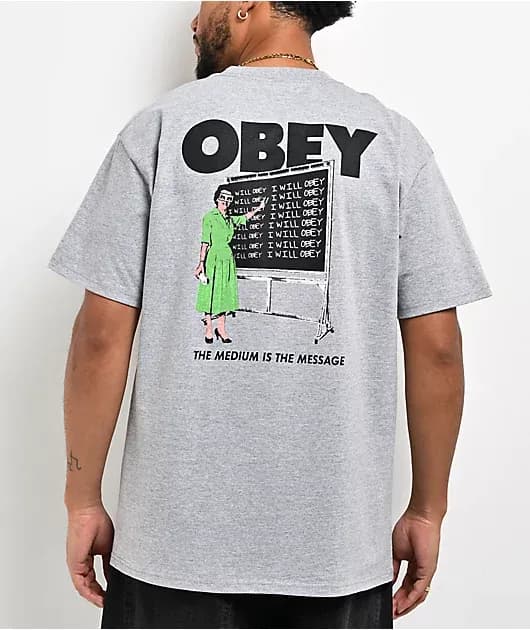
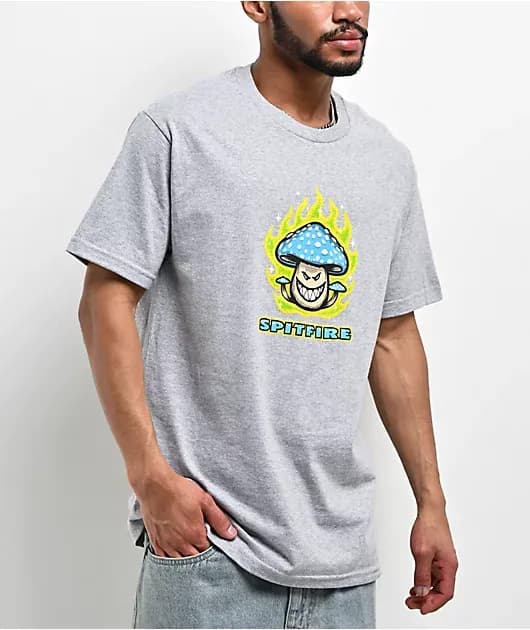
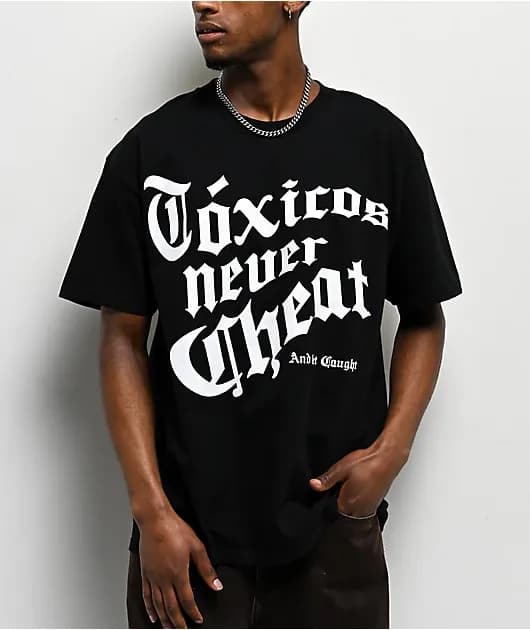
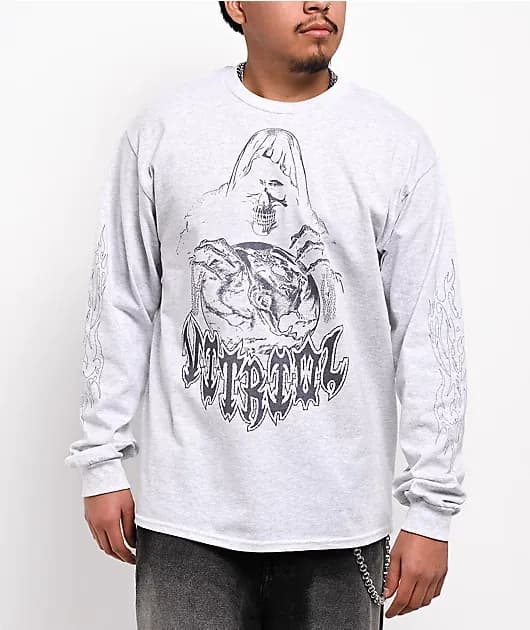
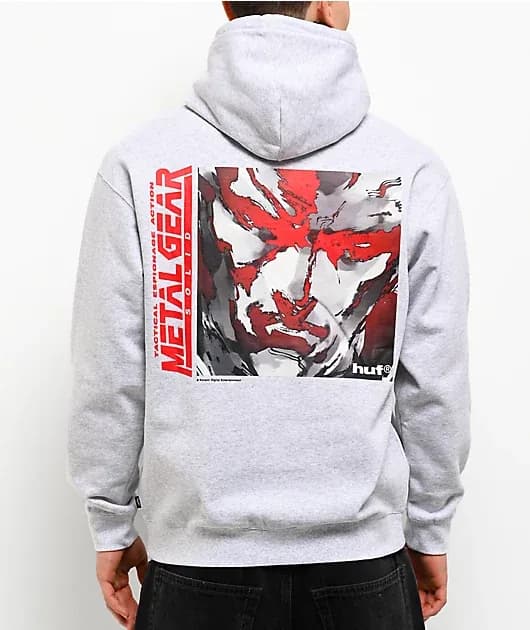
Screen print transfers (plastisol): Plastisol ink is screen-printed onto release paper rather than directly onto the garment, then heat-pressed to transfer. Allows screen printing quality on individual garments without needing to set up a screen print run. Common for lower-quantity jobs.!Custom t-shirts showing different print methods and their visual characteristics
What Is DTG Printing?
DTG stands for Direct-to-Garment. A specialized inkjet printer prints directly onto the surface of the fabric — the garment is placed flat on a platen and the printer head passes over it depositing ink, much like a desktop printer on paper but with textile inks.
Modern DTG machines (EPSON SureColor, Brother GTX, Kornit Atlas) produce exceptional photo-quality prints with soft hand feel. The ink is absorbed into the fabric fibers rather than sitting on top, which creates a much softer feel than most heat transfer methods.
DTG requires pre-treatment of the garment before printing (a chemical spray that improves ink adhesion) and post-curing with heat to bond the ink. On dark garments, a white underbase is printed first before the color layers.
Head-to-Head Comparison
**Color Complexity**
Heat transfer vinyl: Limited to the number of vinyl layers you are willing to cut and apply. Fine for single-color or two-color designs. Multi-color requires multiple application steps.
Digital heat transfer: Full color from a single application. Photo-realistic prints are possible.
DTG: Full color, photo-realistic, the best of all methods for complex multi-color artwork. Gradients, photographic images, complex illustrations and all printable in a single pass.
**Fabric Compatibility**
Heat transfer vinyl: Works on almost any fabric that can withstand heat pressing. Cotton, polyester, blends, performance fabrics.
Digital heat transfer: Works on most fabrics. Print quality varies. Best on smooth, tight-weave fabrics.
DTG: Works best on 100% cotton or high-cotton blends. Polyester is problematic. The inks do not bond as well and colors appear more muted. A significant limitation for sportswear brands using polyester performance fabrics.
**Minimum Order Quantity**
Heat transfer (digital): Can be dOne one unit at a time. The setup cost per run is low because the design is printed digitally. This makes it excellent for custom one-off pieces or print-on-demand operations.
DTG: Also unit-quantity — One shirt can be printed with no setup cost beyond machine programming. Both heat transfer and DTG compete in the on-demand, low-quantity space.
**Durability**
Heat transfer vinyl: Very durable when applied correctly. Can last the life of the garment with proper washing (inside out, low heat drying). Edges can lift if applied incorrectly or washed improperly.
Digital heat transfer: Moderate durability. The plastic film on digital transfers can crack over time with repeated washing, especially on a garment that stretches. Less durable than screen printing or DTG on cotton.
DTG: Good durability on cotton. With proper curing and washing instructions (cold water, inside out, no high heat drying), DTG prints on cotton can last 50+ washes. On dark garments where an underbase is needed, the white underbase can crack over time.
**Cost Per Unit**
Both heat transfer and DTG have similar economics: the cost per unit is relatively high at low quantities but doesn't decrease significantly at higher quantities. This is the opposite of screen printing, where higher quantities dramatically lower per-unit cost.!Sublimation printing versus heat transfer for sportswear and custom apparel
**Hand Feel**
Heat transfer vinyl: Smooth, slightly raised (you can feel the print clearly). Not ideal for large prints that cover significant body area because the plastic feel is noticeable.
Digital heat transfer: Varies by type. Screen print transfers feel similar to traditional screen printing. Digital HTV has a smoother plastic feel.
DTG: The softest hand feel of all print methods (on cotton). The ink absorbs into the fabric and feels almost like part of the garment. For lifestyle t-shirts and hoodies on cotton, this is often the premium choice.
Which Method Should You Choose?
Choose heat transfer vinyl when:
Choose digital heat transfer when:
Choose DTG when:
Choose screen printing (a separate topic we cover elsewhere) when:
Choose sublimation when:
At Mughal Apparel, we work with sublimation and screen printing as our primary decoration methods for bulk production, complemented by embroidery. For the right production method for your specific product, get a free quote and tell us about your design and fabric — we will recommend the best approach. MOQ is 50 pieces and we respond within 24 hours.
About the Author
Salman AhmadManaging Director
Salman leads Mughal Apparel's strategy and global client relationships. 17+ years in apparel manufacturing, based in Daska, Sialkot District.
Meet the full team →Tags:
Ready to Start Manufacturing?
Get a free quote from Mughal Apparel. MOQ 50 pieces. Response within 24 hours.
Get Free Quote