<p>This is one of those topics where most online articles get the basics right but miss the nuances that matter on the production floor. I've been making cut and sew vs blank apparel: which is right for your brand? Since 2008. Here's what I'd tell a friend if they were starting a brand tomorrow.</p># Cut and Sew vs Blank Apparel: Which is Right for Your Brand?
One of the first questions every new clothing brand faces is whether to start with blank apparel and add their branding, or to go fully custom with cut-and-sew manufacturing from scratch. I talk to brand owners about this choice every week, and the honest answer is that there is no universally right answer and but there's almost always a right answer for any specific brand at any specific stage.
Let me break down both approaches completely so you can make an informed decision.
What Is Blank Apparel?
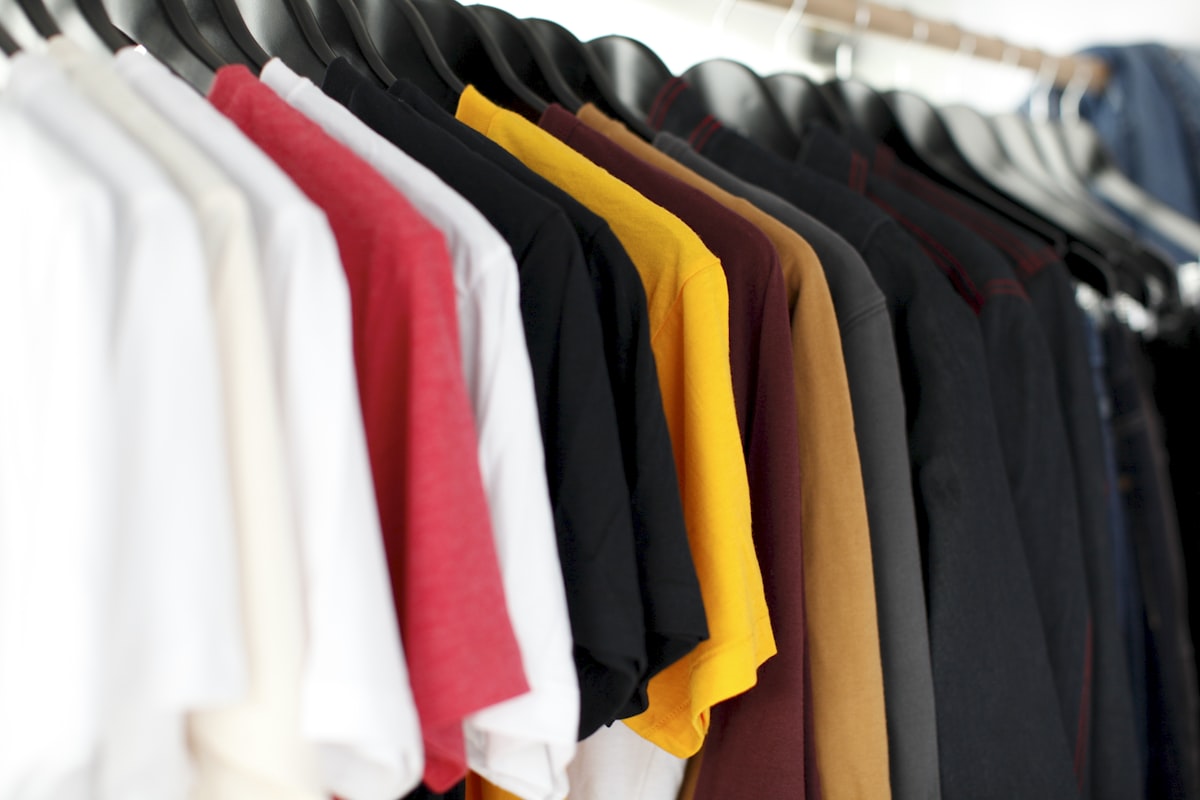
Blank apparel means you are buying pre-manufactured garments — typically t-shirts, hoodies, hats, or other basics — that are already cut, sewn, and finished by another manufacturer. You then add your branding through screen printing, embroidery, heat transfer, or DTG printing. Companies like Gildan, Bella+Canvas, AS Colour, and Stanley/Stella dominate the wholesale blank market.
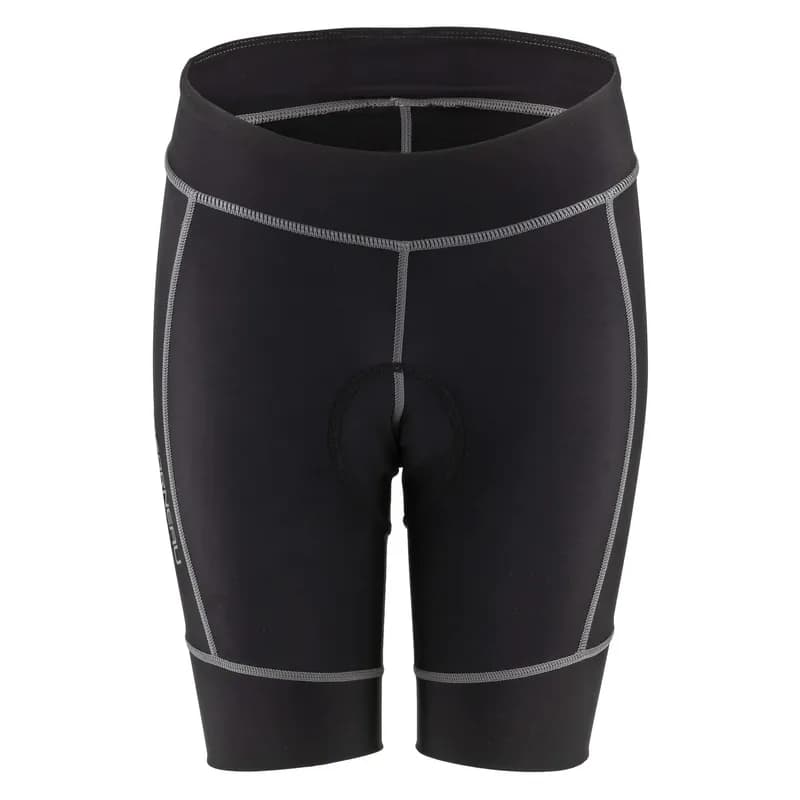
The appeal is obvious: you skip the manufacturing entirely and focus only on the design and branding layer. Lower risk, lower minimum orders (sometimes as few as 12 pieces), faster turnaround, and zero need for technical garment knowledge. You can have product in hand in a week or two.!Custom hoodie as cut and sew product versus blank apparel approach
The drawback is equally obvious: your garment is identical to thousands of other brands using the same blank. Your hoodie is the same as every other brand that orders from the same supplier. The fit, fabric, construction, and details aren't yours: they're the blank manufacturer's. The only thing distinguishing you is the graphic on the front.
For some brands, that's completely fine. A band merchandise operation, a small local buSiness, or a brand testing a concept before investing (these are legitimate use cases for blank apparel). But if building a recognizable brand with a distinctive product is your goal, blank apparel has a ceiling.
What Is Cut and Sew Manufacturing?
Cut and sew means starting from fabric rolls and building garments entirely to your specifications. You choose the fabric, define the measurements and grading, specify every construction detail, and the manufacturer cuts the fabric from your spec and sews it according to your instructions.
This is how every major apparel brand in the world operates. Nike, Gymshark, Lululemon, Supreme, all cut-and-sew. Your tech pack defines the product, and the factory executes it.
The advantages over blank apparel are significant:
True product differentiation. Your fit is yours. Your fabric is yours. Your construction details and the waistband width, the pocket placement, the seam type, are all defined by you and distinguish your product from every competitor. Customers who love your fit become loyal customers because they can't get that exact fit anywhere else.
Margin control. When you buy blanks, you're paying a retail or wholesale markup on top of the manufacturing cost. When you cut-and-sew, you pay the actual manufacturing cost. At volume, the margin difference is substantial.
Brand storytelling. "We develop everything in-house from fabric up" is a fundamentally different brand story than "we print on Gildan blanks." Customers and retailers increasingly care about this distinction.
Custom fabric and materials. Want a specific performance fabric with a proprietary texture? A specific GSM that is heavier than anything available in blanks? A specific collar construction? NOne of that's possible with blank apparel.!Private label clothing line development with custom cut and sew manufacturing
The Real Tradeoffs: Cost and Complexity
Cut and sew requires more upfront investment and more technical knowledge than printing on blanks. Let me be specific about what that means.
Minimum order quantities. Blanks can often be ordered in very small quantities (12 or 24 pieces in some cases). Cut and sew manufacturing typically starts at 50 to 100 pieces per style, per colorway. At Mughal Apparel, our MOQ is 50 pieces. This means you need to be ready to sell 50 units of each variation before you start producing.
Sample development time. With blank apparel, there's no sampling phase (you receive the blank), see if you like it, and move forward. With cut and sew, you go through a sampling process before bulk production. Expect 2 to 4 weeks for a first sample, then revision rounds if needed. This is not wasted time. It's how you arrive at a perfect product (but it's time you need to plan for).
Technical documentation. As covered in our tech pack guide, cut and sew requires you to specify your garment in detail. This is a skill set that takes some learning or requires working with a technical designer. There is no shortcut here. Incomplete specs lead to incorrect garments.
Communication with manufacturers. Working with an overseas manufacturing partner requires clear communication, the ability to evaluate fabric and construction quality from samples, and relationship management skills. It is manageable, but it's more involved than uploading a file to a print-on-demand service.
Which Approach Is Right for You? A Decision Framework
Here is how I would think through this decision:
**Start with blank apparel if:**
**Start with cut and sew if:**
Consider a hybrid approach: many brands actually start with a few carefully chosen cut-and-sew hero pieces (the signature products that define the brand) combined with printed blanks for accessories and secondary products. This lets you control the most important brand touchpoints while managing complexity and cost on everything else.
The Growth Trajectory Question
one thing I see repeatedly is brands that start with blank apparel and then struggle to transition to cut-and-sew later. Their customer base is accustomed to certain price points and product characteristics, and moving to a more expensive cut-and-sew product disrupts that. It can be dOne, but it is much harder than starting with cut-and-sew from the beginning.
If your long-term vision is a real brand with distinctive products, cut-and-sew is the path. The question is only about timing and readiness.
At Mughal Apparel, we work with brands at all stages of this journey — from first-time brand owners placing their first cut-and-sew order to established brands looking to expand their range. Our minimum order is 50 pieces per style, sampling takes 10 to 14 days, and we respond to all inquiries within 24 hours. View all products to see what we produce, and get a free quote when you are ready to start.
About the Author
Production TeamProduction Department
10+ years average tenure on the Mughal Apparel cut-and-sew floor.
Meet the full team →Tags:
Ready to Start Manufacturing?
Get a free quote from Mughal Apparel. MOQ 50 pieces. Response within 24 hours.
Get Free Quote