

All Over Print (AOP) Manufacturer
All over print manufacturer specializing in sublimation apparel. Cut-and-sew AOP, jerseys, shorts, leggings. MOQ 50 pcs from Pakistan. Vibrant, fade-proof prints.
All-over print (AOP) garments are a category where Pakistani manufacturers compete primarily on price against Chinese factories with established AOP capacity. Our advantage: shorter MOQ (50 pieces per design versus 100-200 minimum at most Chinese AOP shops), better sample turnaround (7-10 days versus 14-21), and flexible decoration combining AOP with embroidery or screen print accents. All-over print works through sublimation on polyester or poly-blend fabrics. Our setup: Italian Monti dye-sub paper and Korean dye-sub paper for color accuracy, Atexco roll-to-roll printers for bulk production, Mimaki for sample runs. Print resolution at 720 DPI minimum, matching photographic-quality detail requirements. Fabric considerations: AOP requires 100% polyester or polyester-spandex blends. Sublimation does not work on cotton, nylon, or rayon. We stock 4-way stretch poly-spandex (220-260 GSM) for activewear AOP, 100% polyester interlock for AOP team uniforms, and lighter poly-spandex (180 GSM) for AOP swimwear and beach wear. Common AOP product categories we manufacture: AOP t-shirts (sublimated on poly tee fabric, 160-200 GSM), AOP leggings (4-way stretch nylon-spandex at 260 GSM is the standard), AOP swim shorts (180-200 GSM poly-spandex with UV protection), AOP rashguards (220 GSM 4-way stretch poly), AOP hoodies (challenging due to seams interrupting print — works best on cut-and-sew construction). Color matching for AOP: Pantone TCX matching with print-strike approval before bulk dyeing. We send a small fabric swatch with your design printed at full color depth — you visually approve before we commit to bulk production. 95%+ Pantone accuracy achievable on print-strike approval. Real production cost for 200 GSM AOP poly tee at 100-piece MOQ: ~$5.50-7.50 FOB Karachi depending on design complexity. Lead time 25-35 days standard. Tech-pack with vector artwork to info@mughalapparel.com — print-strike sample within 7-10 business days.
Key Capabilities
Sublimation Process Explained
Sublimation printing uses heat to convert solid dye into gas, which then bonds with polyester fibers at the molecular level. Process: (1) Design is printed on transfer paper using sublimation inks. (2) Paper is placed against white polyester fabric. (3) Heat press (200°C) for 30–60 seconds converts dye to gas, which penetrates fabric. (4) Cool down — dye returns to solid state inside the fibers, permanently coloring them. (5) Fabric is now fully printed and ready to be cut and sewn into garments. The result: print is part of the fabric, not a layer on top of it.

Designing for AOP
AOP designs work best when designed for the panel layout from the start, not adapted from existing flat artwork. We provide pattern templates showing exact panel shapes for hoodies, tees, shorts, leggings, etc. Designers create artwork that wraps correctly across panels, ensuring designs meet at seams as intended. Common AOP design approaches: continuous patterns (camouflage, abstract gradients, geometric patterns), placed graphics that extend across panel boundaries, and photographic prints sized for the garment. We'll send pattern templates to your designer.

AOP vs Print-on-Demand (POD)
Print-on-demand services (Printful, Printify) sublimate on finished garments, this leaves visible print breaks at seams and limits design complexity. POD is convenient for testing designs at $0 inventory, but for serious AOP brands the quality difference is significant. Our cut-and-sew AOP requires upfront inventory commitment (50 pcs MOQ) but produces dramatically superior visual results that justify premium retail pricing. Most AOP brands serving fashion-conscious customers choose cut-and-sew over POD once they validate market demand.
Our Range
AOP Categories We Manufacture
Browse our extensive all over print (aop) manufacturer catalog. Every style is fully customizable with your branding, fabrics, and colors. MOQ 50 pieces per design.

MMA Shorts
View
SQ Gloss Light Grey Rose Gold Mirror Photochromic Lens
View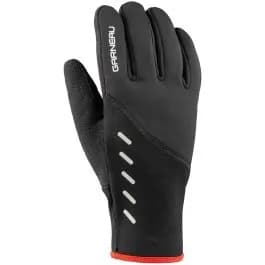
Bigwillgel Gloves
View
CORRIDOR Black Stretch Vest
View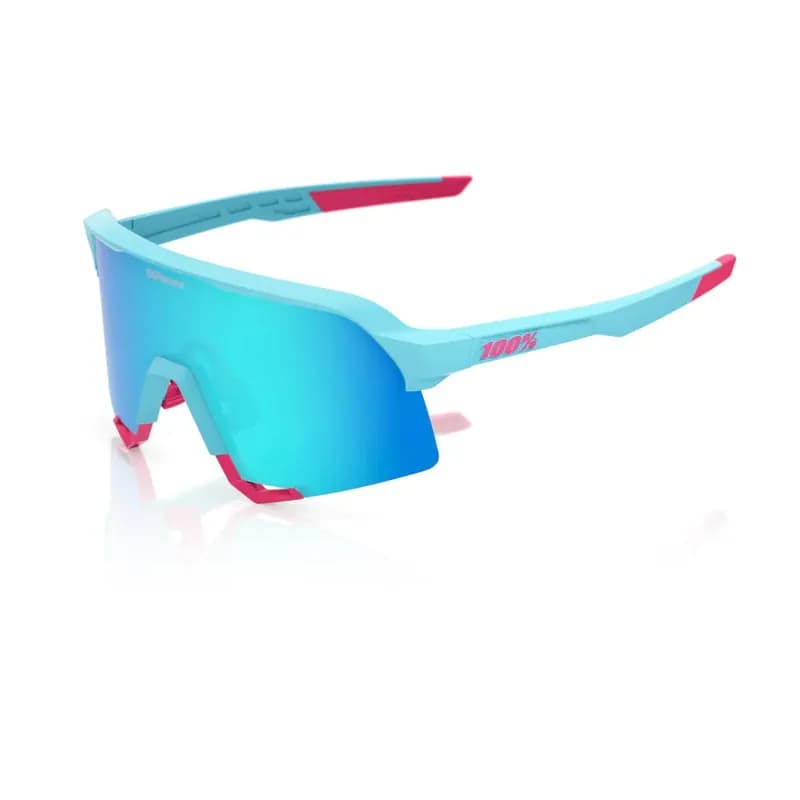
Soft Tact Blue - Blue Topaz Mirror Lens
View
Aero Socks Extra Extra Tall
View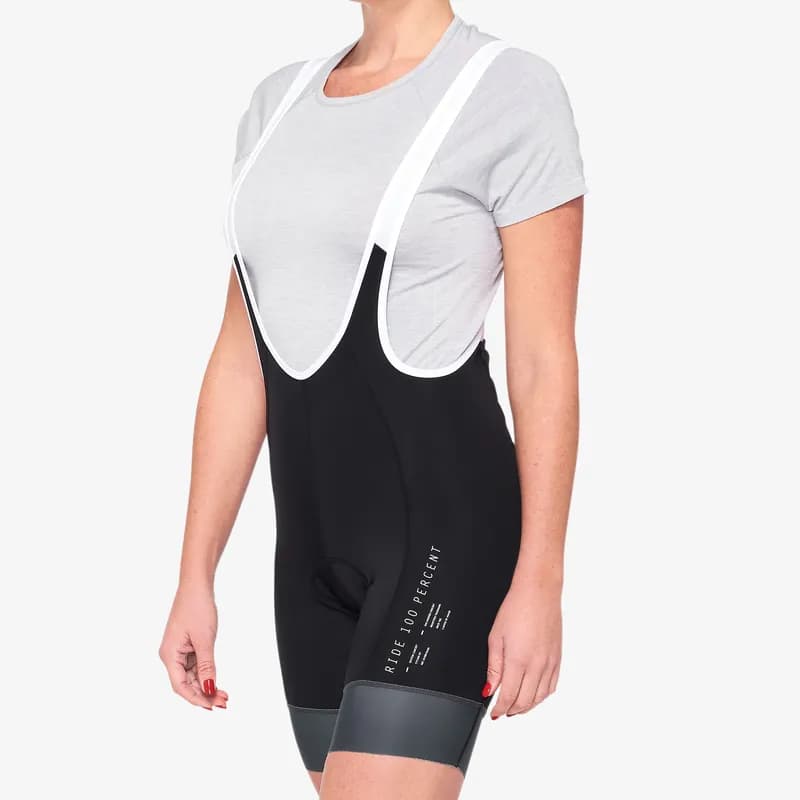
EXCEEDA Women's Black/Charcoal Bib Shorts
View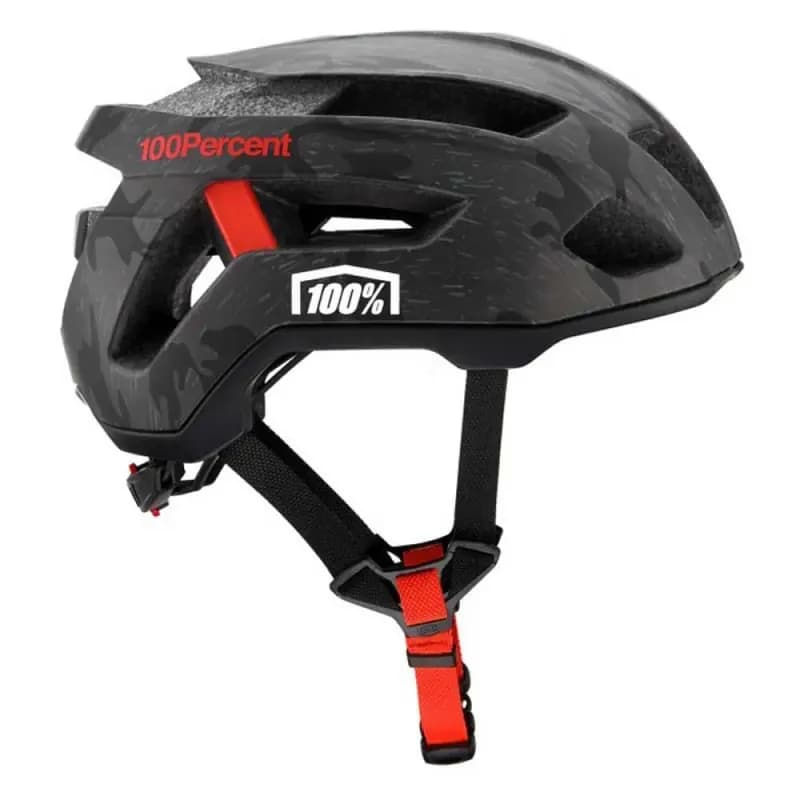
ALTIS Gravel Helmet Black CPSC/CE
View
Ultimate Safety Bundle
View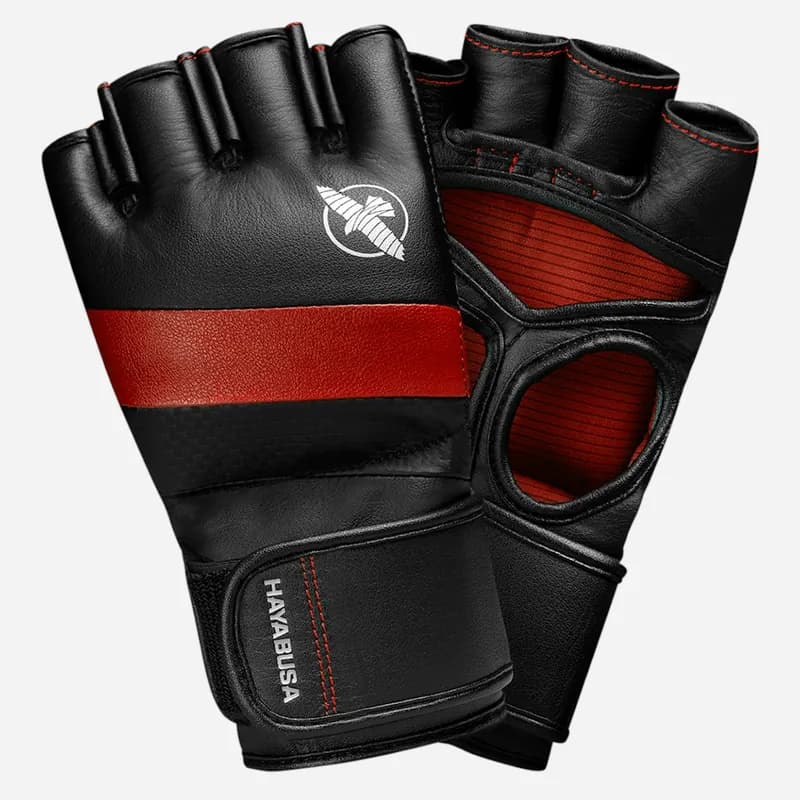
T3 MMA 4oz Gloves
View
Curved Kick Shields
View
T3 MMA Headgear
View
PTS3 Kick Shield
View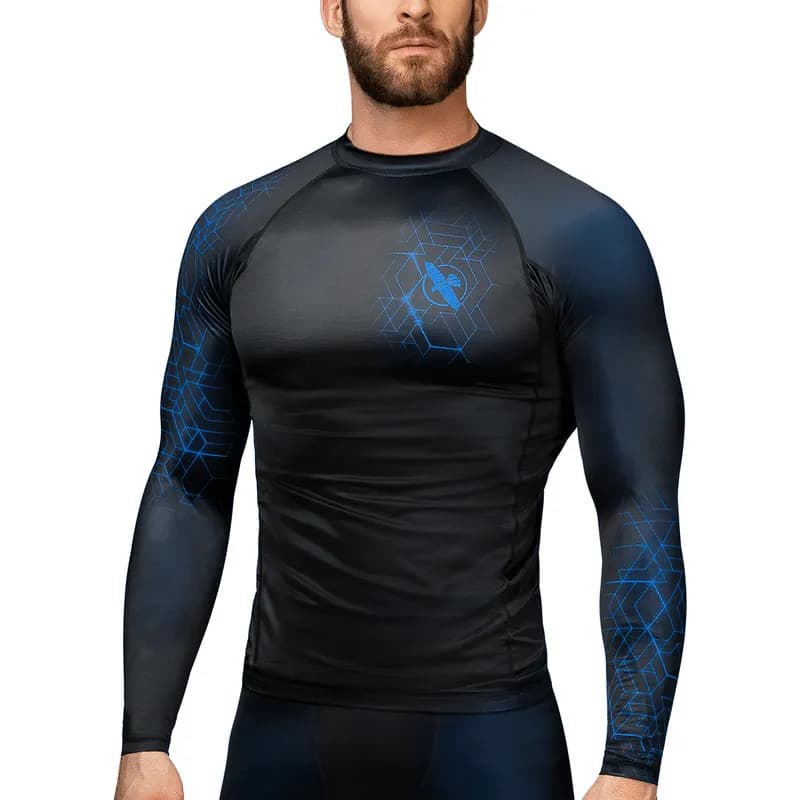
Geo Long Sleeve Rash Guard
View
GRIND FOOTBALL PRACTICE JERSEY
View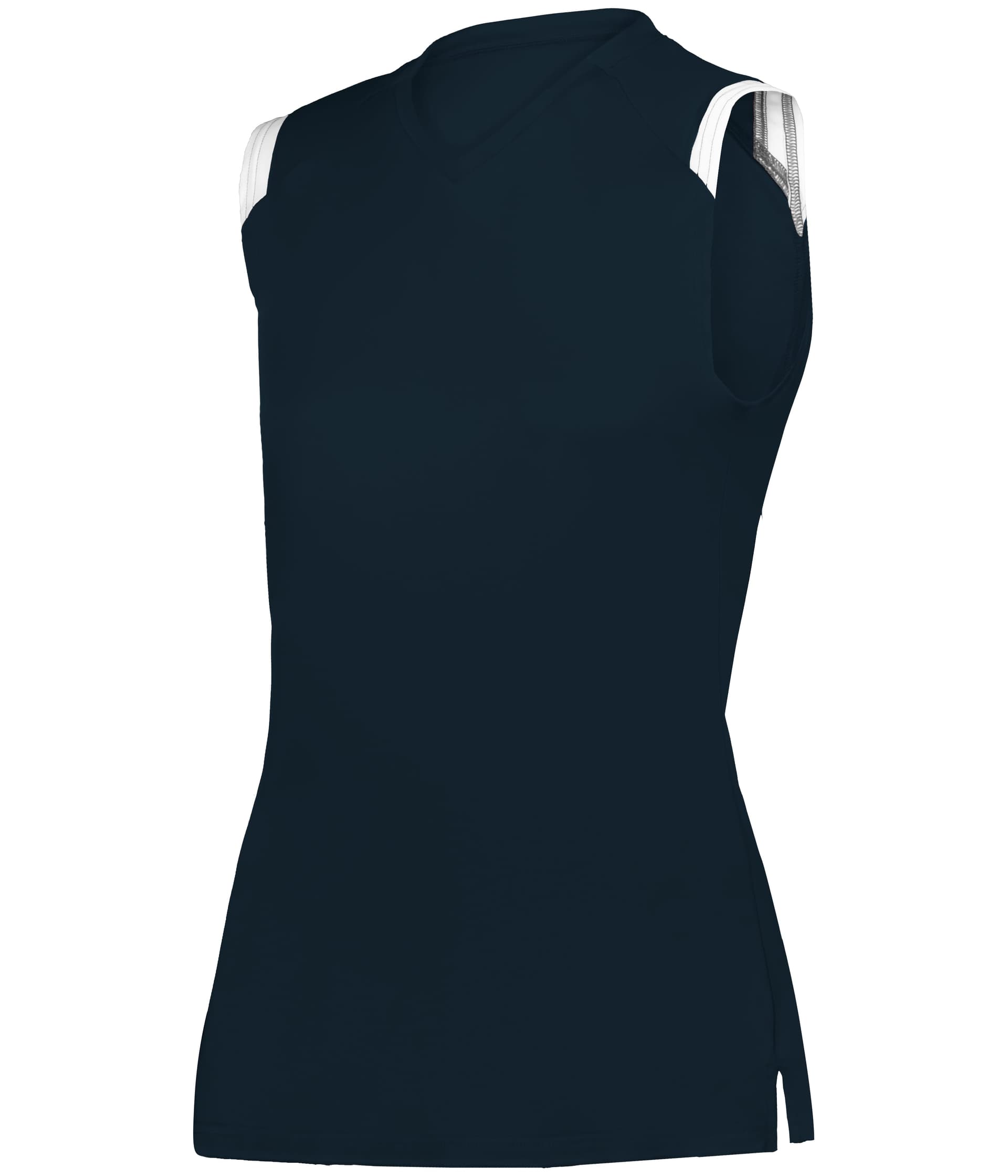
GIRLS ON THE RISE SLEEVELESS SOFTBALL JERSEY
View
Grappling Gloves
View
Muay Thai Arm Pad
View
Cycling Hi-Vis Vest Yellow
View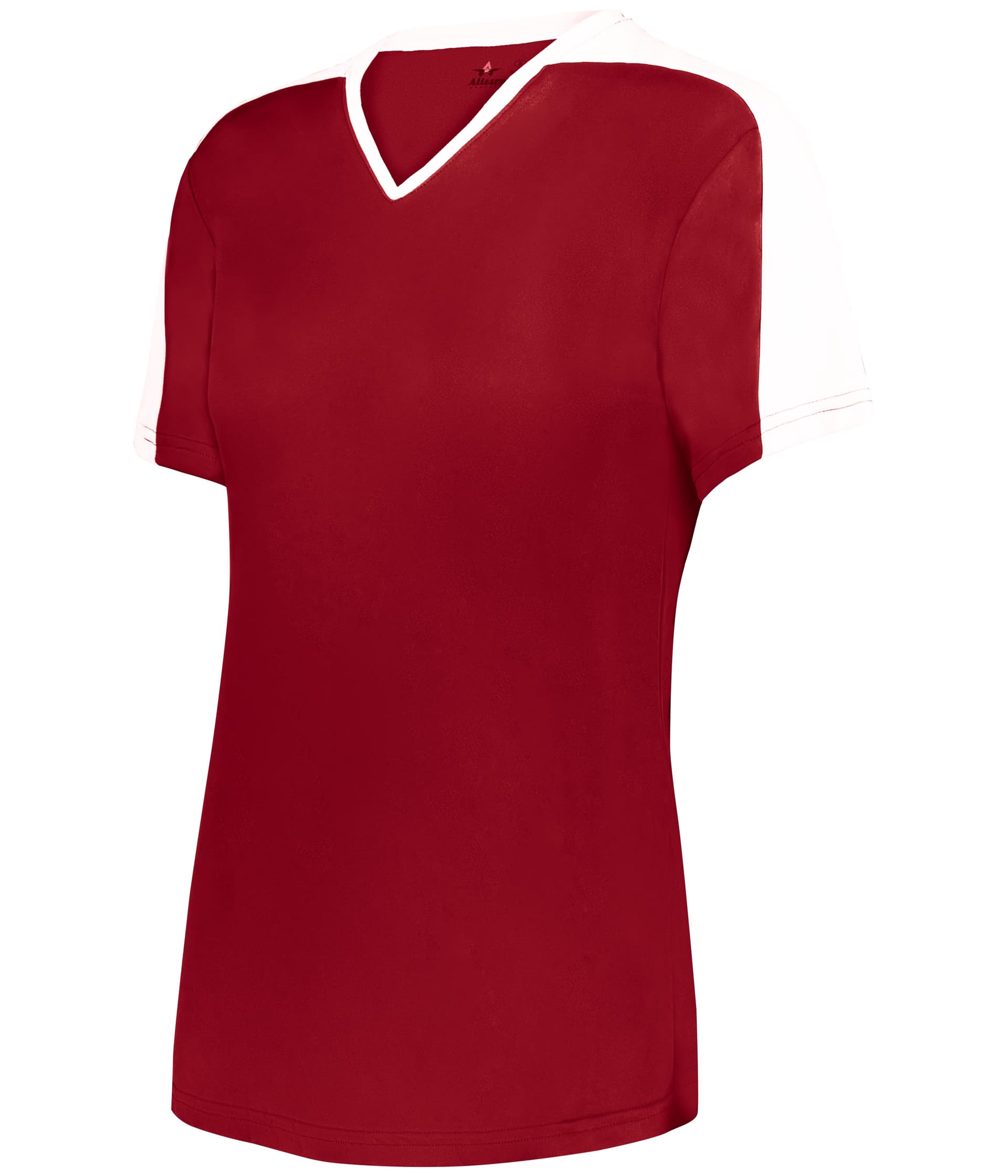
Ladies V-Neck Softball Jersey (558VW)
View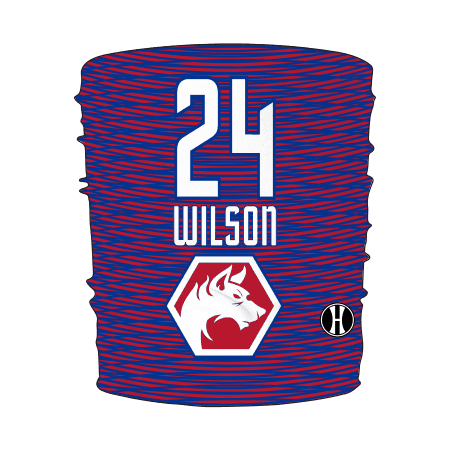
Youth FreeStyle Sublimated Gaiter
View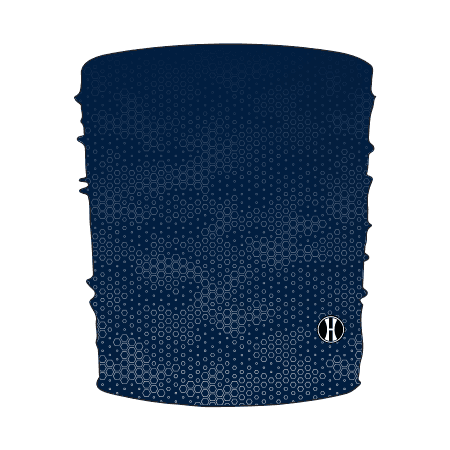
FreeStyle Sublimated Gaiter
View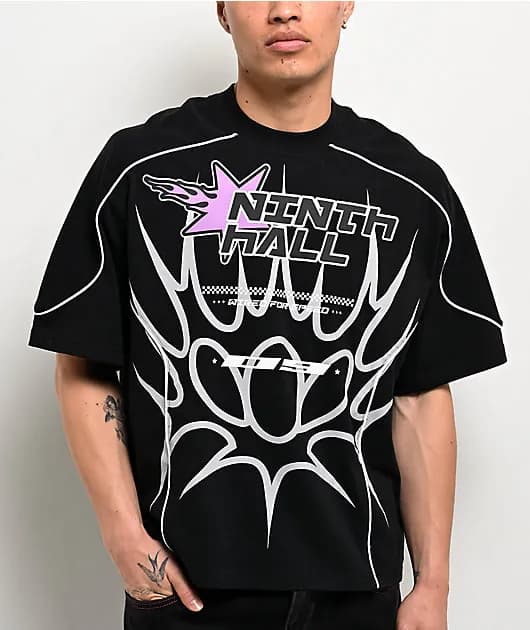
Criminal Jersey Black Crop T-Shirt
View
Resistance Jersey Black Boxy T-Shirt
ViewFrequently Asked Questions
What payment terms do you accept?
50% upfront and 50% after production for bulk orders (100% upfront for samples). Wise, Remitly, or wire transfer to our official company bank account. Most of our 80+ active clients went through this exact decision when they started with us.
Who manages my account day-to-day?
On our floor, every client gets a dedicated English-fluent account manager. Same person, every project.
Do you ship internationally?
Yes, we export to 35+ countries. Standard destinations include USA, UK, Germany, France, Netherlands, Italy, Spain, Canada, Australia, New Zealand, UAE.
Are samples charged?
Yes (production cost + sample fee ($40-80 per piece)). Sample fees non-refundable.
What customisation options are available?
Embroidery (2D, 3D puff, chenille, applique), screen printing (water-based, plastisol, discharge), DTG, sublimation, garment dye, acid wash, vintage wash, distressed finishes.
What fabrics do you offer?
100% cotton, cotton-poly blends, French terry, brushed fleece, organic cotton (GOTS available), bamboo blends, rPET recycled polyester, jersey, slub, rib knit.
All Over Print (AOP) Manufacturer — Get Started Today
Contact our team for a free quote. MOQ 50 pieces. Response within 24 hours.